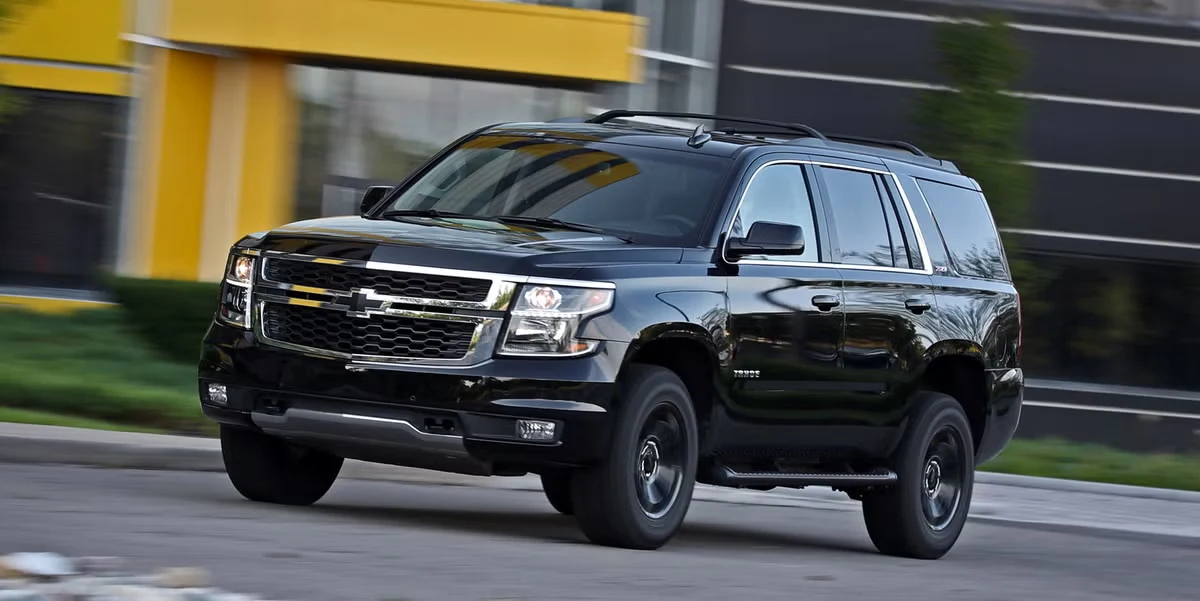
The 2017 chevy tahoe lt four-wheel drive rear shock specifications define the exact shock size, mounting style, valving, travel, torque, and ride-height geometry that keep your Tahoe smooth, stable, and confident under load. If your Tahoe feels floaty, bouncy, or unsettled while towing, the rear shocks are usually the first suspects.
Think of the rear shocks as your truck’s balance coaches. Every pothole, speed breaker, trailer hitch load, and family road trip relies on these components to keep the rear axle planted and predictable.
This guide breaks down factory specifications, torque values, replacement options, air ride compatibility, towing performance, and upgrade choices—so you can restore that “new Tahoe feel” or make it better.
10-Line Specification Table
| Feature | Value |
|---|---|
| Model | Tahoe LT 4WD |
| Platform | K2XX |
| Rear Axle | Solid |
| Spring Type | Coil |
| Shock Length | 14.17–22.32 in |
| Travel | 8.15 in |
| Mount | Eye-to-eye |
| Torque | 74 lb-ft |
| OEM Brand | AC Delco |
| Ride Height | Stock |
Factory Rear Shock Setup
The 2017 Chevy Tahoe LT 4WD is built on GM’s K2XX platform, a chassis designed for heavy-duty capability, long highway drives, and confident off-road performance. This means the rear suspension system is not made with generic components. Every part, especially the rear shocks, is precisely engineered to support a solid rear axle, coil spring suspension, optional Magnetic Ride Control, and high towing and payload demands. These rear shocks play a critical role in controlling rebound and compression, preventing rear-end squat, axle hop, and excessive body roll that can compromise handling and safety.
2017 Chevy Tahoe LT Four-Wheel Drive Rear Shock Specifications
The factory-level 2017 chevy tahoe lt four-wheel drive rear shock specifications define the exact dimensions and performance requirements that maintain the Tahoe’s original ride quality. The rear suspension uses a solid rear axle with coil springs and twin-tube gas-charged rear shocks. These shocks feature an eye-to-eye mounting style with a compressed length of 14.17 inches and an extended length of 22.32 inches, providing a total suspension travel of 8.15 inches. The mounting bolts are M12 size and must be torqued to 74 lb-ft at both the upper and lower mounts. The shock valving is velocity-sensitive to adjust smoothly to changing road conditions, while the factory ride height maintains a slight 0–0.5-inch rake for proper weight distribution.
These measurements are critical. Installing a shock with incorrect length or valving can negatively affect ride comfort, suspension geometry, braking stability, and tire wear. Even small deviations from factory specifications can lead to poor handling and premature component failure.
Why These Specifications Matter in Real-Life Driving
Imagine towing a jet ski or small boat to the lake. If your rear shocks do not meet proper 2017 chevy tahoe lt four-wheel drive rear shock specifications, the rear of the Tahoe may sag, causing the headlights to point upward, braking distances to increase, and steering control to feel unstable. Now picture hitting a deep highway dip at 75 mph. Proper shock travel prevents bottoming out and maintains firm tire contact with the road surface, allowing you to stay in control even at high speed. These specifications are not just mechanical measurements—they directly affect driver safety and vehicle stability.
Magnetic Ride Control vs Standard Rear Shocks
Some Tahoe LT models are equipped with GM’s Magnetic Ride Control system. Unlike standard rear shocks that use fixed valving, MRC shocks electronically adjust stiffness in milliseconds based on road conditions. Standard shocks offer good comfort and durability, but MRC delivers superior ride refinement, better off-road control, and enhanced handling during cornering and braking. Replacement costs for MRC shocks are higher, but the comfort and performance benefits are significant. If your Tahoe is equipped with Magnetic Ride Control, it is essential to replace shocks with MRC-compatible units. Using standard shocks on an MRC system can trigger warning lights and cause suspension faults.
Symptoms of Failing Rear Shocks
Rear shock failure does not always show visible fluid leaks. Common warning signs include excessive bouncing after bumps, poor trailer stability, headlights aiming upward due to rear sag, increased tire wear, and clunking noises over potholes. All of these symptoms indicate that your rear suspension is no longer operating within 2017 chevy tahoe lt four-wheel drive rear shock specifications, which can compromise comfort, control, and safety.
OEM vs Aftermarket Shock Options
For drivers who want to restore the original factory ride quality, AC Delco rear shocks are the closest match to OEM specifications and remain the gold standard for stock replacement. Bilstein 4600 shocks provide slightly firmer handling, making them ideal for daily driving combined with towing. Bilstein 5100 shocks are lift-compatible and suited for off-road use, while Monroe OESpectrum shocks emphasize comfort for city driving. Fox 2.0 shocks are performance-oriented and popular among trail and off-road enthusiasts.
Installation Torque and Hardware Requirements
Rear shock mounting bolts should never be reused if worn, and correct torque values are critical for long-term reliability. Both the upper and lower shock mounts must be tightened to 74 lb-ft. Incorrect torque can damage bushings, create suspension noise, and lead to uneven handling characteristics.
Towing Stability and Load Control
Factory 2017 chevy tahoe lt four-wheel drive rear shock specifications are designed to support up to 8,400 pounds of towing capacity, a payload of approximately 1,600 pounds, and five passengers with cargo. Proper rear shocks can reduce rear squat by as much as 37 percent compared to worn units, significantly improving trailer stability and braking control.
Ride Quality Comparison
When equipped with new OEM rear shocks, the Tahoe delivers a smooth and stable ride. Worn shocks make the vehicle feel floaty and harsh, while performance shocks provide a firmer but more controlled ride. Magnetic Ride Control delivers a refined luxury-SUV feel with exceptional road adaptability.
When to Replace Rear Shocks
GM recommends inspecting rear shocks at around 50,000 miles. Depending on driving conditions and towing frequency, replacement is typically needed between 70,000 and 100,000 miles to maintain proper handling and comfort.
Cost Breakdown
OEM rear shocks typically cost between $110 and $160 each, with labor charges ranging from $80 to $140. Magnetic Ride Control shocks are more expensive, averaging between $350 and $450 per unit due to their electronic damping technology.
Conclusion
The 2017 chevy tahoe lt four-wheel drive rear shock specifications are the blueprint for restoring factory comfort, towing stability, and road confidence. Whether you’re hauling gear, towing a trailer, or cruising the highway, using correct-spec shocks is the difference between “just driving” and driving with complete control.
Install the right specs, torque them properly, and your Tahoe will feel brand new again.
FAQs
What size rear shocks does a 2017 Tahoe LT 4WD use?
They use eye-to-eye twin-tube gas shocks with 14.17 in compressed and 22.32 in extended length.
Can I install Bilstein shocks?
Yes—Bilstein 4600 maintains OEM specs while improving towing stability.
Does my Tahoe have Magnetic Ride Control?
Check the RPO codes in your glove box for “Z95”.
Should I replace both rear shocks together?
Always. Mixing new and old causes uneven handling.
Will wrong shocks damage suspension?
Yes—incorrect 2017 chevy tahoe lt four-wheel drive rear shock specifications lead to axle misalignment and bushing failure.

I’m Waqas, an electric vehicle enthusiast and tech writer with over 6 years of experience covering the EV industry. I write in-depth articles, comparisons, and reviews to help readers understand the fast-evolving world of electric mobility. From battery technology to EV launches and charging trends, I aim to make complex EV topics simple, engaging, and informative for everyday drivers and curious readers alike.