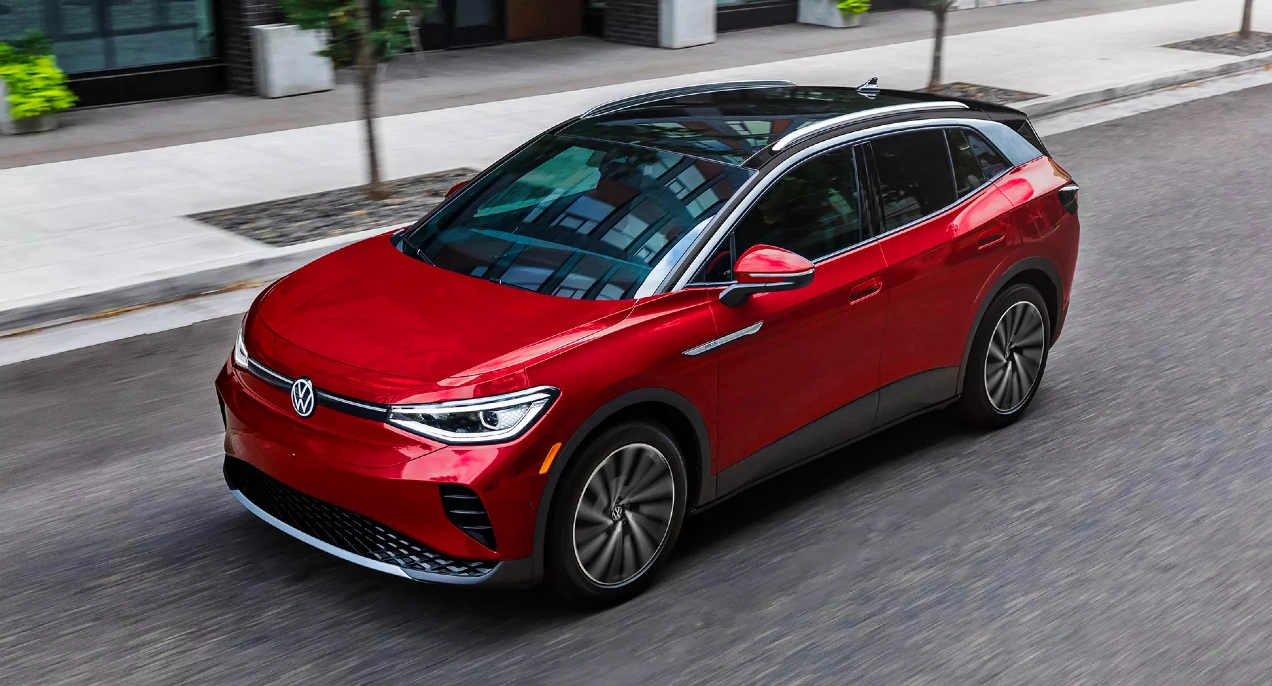
Introduction
The 2023 id4 battery standard how long does it last is one of the most searched questions among electric vehicle buyers—and for a good reason. When you invest in an EV like the Volkswagen ID.4, you want clarity about battery life, durability, and long-term performance.
Think about this: you wake up, your car is fully charged, and you head out for work, errands, and maybe a weekend trip. The real question isn’t just “range”—it’s reliability over time. Will the battery still perform after years? Will it degrade quickly? And how far can you go on a single charge?
In this detailed guide, we’ll break everything down—from real-world battery lifespan to charging habits, degradation, and practical ownership insights.
What Is the Battery in the 2023 ID4 Standard Model?
The standard version of the 2023 ID.4 comes with a 62 kWh battery pack (usable capacity ~58 kWh). This is slightly smaller than the Pro version but still highly capable for everyday use.
Key Specs:
- Battery Capacity: 62 kWh (Standard)
- Usable Capacity: ~58 kWh
- EPA Estimated Range: ~209 miles (336 km)
- Charging: DC fast charging supported
This battery uses lithium-ion technology, similar to most modern EVs, designed for efficiency and long-term durability.
2023 id4 battery standard how long does it last in real life
Let’s answer the main question clearly:
The 2023 id4 battery standard how long does it last depends on two key factors:
1. Daily Range (Per Charge)
In real-world conditions:
- City driving: 220–240 miles (best case)
- Mixed driving: 180–210 miles
- Highway driving: 160–190 miles
2. Overall Battery Lifespan
- Expected lifespan: 8 to 15 years
- Mileage lifespan: 150,000 to 300,000 miles
Most users report minimal degradation in the first few years, especially with proper charging habits.
2023 id4 battery standard how long does it last in real life
When we talk about the 2023 id4 battery standard how long does it last, the answer becomes much clearer when we look at real-life usage instead of just official numbers. In everyday driving conditions, the range can vary depending on how and where you drive. For example, in city driving, where speeds are lower and regenerative braking helps recover energy, the ID.4 can deliver around 220 to 240 miles on a full charge in the best-case scenario. However, in mixed driving conditions—where you combine city and highway use—you can expect a more realistic range of about 180 to 210 miles. On highways, where higher speeds consume more energy, the range typically drops to around 160 to 190 miles.
Now, beyond daily range, another important part of the 2023 id4 battery standard how long does it last is the overall battery lifespan. The battery is designed to last between 8 to 15 years, which translates roughly into 150,000 to 300,000 miles of driving. Interestingly, most users report very little battery degradation in the first few years, especially when they follow proper charging habits and avoid extreme usage patterns.
How Battery Degradation Works Over Time
Battery degradation often sounds like a big concern, but in reality, it’s quite gradual and manageable. Lithium-ion batteries, like the one used in the ID.4, slowly lose capacity over time. During the first 1 to 3 years, most drivers don’t notice any significant drop in performance. By the time you reach around 5 years, the battery may lose about 5 to 10% of its original capacity. After 8 years or more, the total loss can reach around 15 to 20%.
To put this into perspective, if your car originally delivered 209 miles on a full charge, after 5 years you might still get around 190 miles, and after 8 years, roughly 170 miles. Even with this reduction, the vehicle remains highly usable for daily driving, which is why battery degradation is rarely a deal-breaker for EV owners.
Real-Life Example: Daily Driving Scenario
Let’s make this even simpler with a real-life example. Imagine you drive about 40 kilometers daily for work, errands, or short trips. In this case, you’re only using around 15 to 20% of the battery each day. This means you would only need to charge your car once every 3 to 4 days. Even after 5 years of usage, your routine would barely change because the battery would still comfortably support your daily needs.
This is exactly why most EV owners don’t actually “feel” battery degradation in their daily lives. The gradual loss is so slow that it doesn’t disrupt normal usage patterns.
Charging Habits That Affect Battery Life
If you truly want to understand the 2023 id4 battery standard how long does it last, you must pay attention to charging habits. How you charge your vehicle plays a major role in how long the battery stays healthy.
For best results, it’s recommended to keep the battery charge between 20% and 80% for daily use. Avoid charging to 100% frequently unless you need maximum range for a long trip. Similarly, while fast charging is convenient, relying on it every day can slightly increase battery wear over time. Instead, using a slower home charging setup is much better for long-term battery health.
On the other hand, there are a few habits you should avoid. Regularly draining the battery to 0% can put extra stress on it. Leaving the car fully charged at 100% for extended periods is also not ideal. Additionally, exposing the battery to extreme heat for long durations can accelerate degradation.
By simply following these basic practices, you can significantly extend the life of your EV battery.
How Weather Impacts Battery Performance
Weather is another important factor that affects battery performance. In colder climates, the battery becomes less efficient, which can reduce range by around 10 to 25%. You might notice that your car doesn’t travel as far on a full charge during winter months.
In hot weather, the concern is slightly different. High temperatures can accelerate battery wear if not properly managed. However, the ID.4 comes equipped with a thermal management system that helps regulate battery temperature and protect it from extreme conditions.
Thanks to this system, the ID.4 performs more reliably compared to older electric vehicles that lacked advanced temperature control features.
Warranty and Manufacturer Confidence
Finally, it’s worth noting that Volkswagen provides strong backing for the battery, which adds confidence for buyers. The ID.4 comes with an 8-year or 100,000-mile battery warranty, covering major degradation issues. This clearly shows that the manufacturer trusts the durability and long-term performance of the battery system.
Overall, when you look at real-world performance, smart charging habits, and manufacturer support, the 2023 id4 battery standard how long does it last becomes less of a concern and more of a reassurance for EV owners.
Comparing Standard vs Pro Battery
| Feature | Standard (62 kWh) | Pro (82 kWh) |
|---|---|---|
| Range | ~209 miles | ~275 miles |
| Charging Speed | Moderate | Faster |
| Price | Lower | Higher |
| Best For | City users | Long-distance drivers |
If your usage is daily commuting, the standard battery is more than enough.
Cost of Battery Replacement
The cost of replacing a battery is one of the most common concerns for EV buyers, especially when thinking about long-term ownership. For the 2023 ID.4 standard model, the estimated replacement cost typically ranges between $8,000 and $15,000 if the vehicle is out of warranty. However, the reality is far less worrying than it sounds. Most users never actually need to replace their battery because modern EV batteries are designed to last many years. In fact, many owners upgrade or sell their cars before the battery ever reaches the point of needing replacement, making this cost more theoretical than practical.
Energy Efficiency and Consumption
The 2023 ID.4 standard is known for its strong energy efficiency, consuming approximately 30–35 kWh per 100 miles. This level of efficiency translates into very economical driving, especially in city conditions where EVs perform best. Compared to traditional petrol vehicles, the running cost is significantly lower, allowing drivers to save money over time. This makes the ID.4 not only environmentally friendly but also budget-friendly for daily use.
Charging Time Breakdown
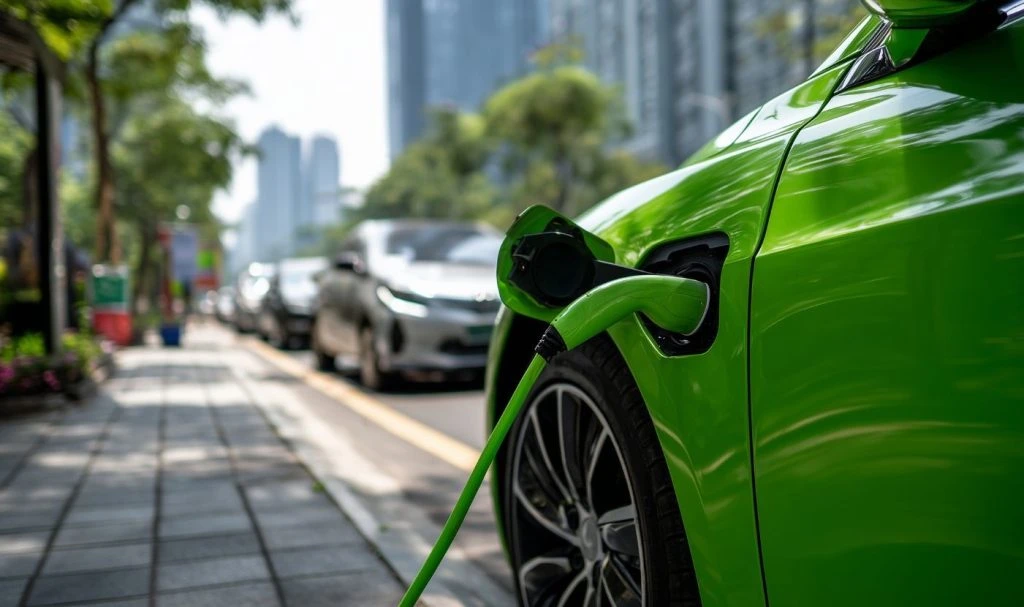
Charging flexibility is another strong advantage of the ID.4. With home charging using a Level 2 charger, the battery can go from 0 to 100% in about 7 to 8 hours, making overnight charging extremely convenient. On the other hand, DC fast charging allows the battery to charge from 10% to 80% in roughly 35 minutes. This combination of home and fast charging options makes the vehicle practical for both everyday commuting and longer road trips, giving drivers confidence and convenience.
Maintenance Compared to Fuel Cars
When compared to traditional fuel-powered vehicles, the ID.4 requires significantly less maintenance. There is no need for engine oil changes, no spark plugs to replace, and far fewer moving parts overall. This reduces both maintenance costs and the likelihood of mechanical issues. The battery is the main component of the vehicle, but it requires minimal maintenance thanks to advanced management systems that keep it running efficiently over time.
Is Battery Life Enough for Long-Term Ownership?
The battery life of the ID.4 is more than sufficient for long-term ownership. Even as the battery gradually degrades over time, the available range remains usable for most daily driving needs. At the same time, the charging infrastructure continues to expand, making EV ownership even more convenient. Battery technology is also improving rapidly, which means future performance and durability will only get better. For most users, the battery will last longer than the time they plan to keep the vehicle, making it a reliable long-term investment.
Environmental Impact and Sustainability
Electric vehicles like the ID.4 play a major role in reducing emissions and supporting a cleaner environment. While battery production does have an environmental impact, the overall lifetime emissions of an EV are significantly lower than those of gasoline vehicles. This makes EVs a more sustainable choice in the long run. To understand more about this concept, you can explore Electric vehicle and how it contributes to reducing global carbon emissions.
Common Myths About EV Batteries
There are many misconceptions about EV batteries, but most of them are based on outdated information. One common myth is that batteries die quickly, but in reality, they can last between 8 to 15 years with proper care. Another myth is that battery replacement is always necessary, whereas in practice, it is rarely required. Lastly, some believe that the range becomes unusable over time, but the truth is that battery degradation happens gradually and remains manageable. These facts highlight how reliable and practical modern EV batteries have become.
Battery Performance Summary Table
| Factor | Details |
|---|---|
| Battery Size | 62 kWh |
| Usable Capacity | ~58 kWh |
| Range (EPA) | ~209 miles |
| Real Range | 180–220 miles |
| Lifespan | 8–15 years |
| Degradation | 10–20% over time |
| Warranty | 8 years / 100,000 miles |
| Charging Time | 7–8 hours (home) |
| Fast Charging | 35 minutes (10–80%) |
| Replacement Cost | $8,000–$15,000 |
Conclusion
The 2023 id4 battery standard how long does it last is not just about numbers—it’s about real-life usability. With a lifespan of up to 15 years, minimal degradation, and strong daily range, the ID.4 proves to be a reliable EV for both beginners and experienced drivers.
If you drive mostly in the city and follow proper charging habits, this battery can easily serve you for a decade or more without major issues.
In simple words:
It’s not just “long-lasting”—it’s practically future-proof for everyday driving.

I’m Waqas, an electric vehicle enthusiast and tech writer with over 6 years of experience covering the EV industry. I write in-depth articles, comparisons, and reviews to help readers understand the fast-evolving world of electric mobility. From battery technology to EV launches and charging trends, I aim to make complex EV topics simple, engaging, and informative for everyday drivers and curious readers alike.