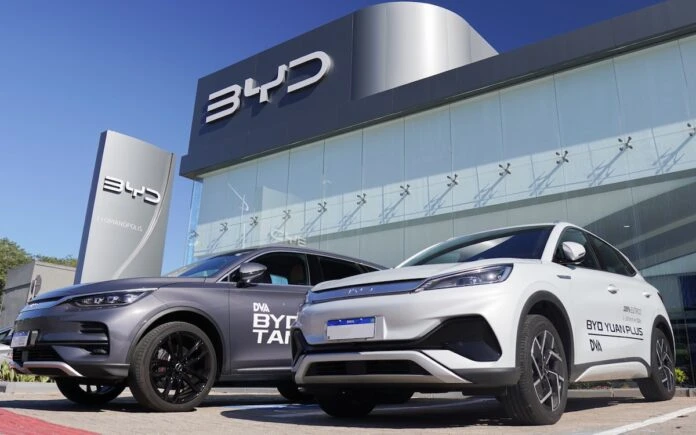
The global shift toward sustainable transport has hit a massive acceleration point, and the recent Kia electric vehicle price cuts are at the very center of this change. As we move through 2026, the era of “luxury-only” EVs is fading. Kia’s decision to slash prices by as much as $10,000 on flagship models isn’t just a random discount; it is a strategic move to stay alive in an increasingly crowded room. With Chinese giants like BYD and Geely offering high-tech features at lower price points, established automakers are realizing that they can no longer rely on brand name alone—they have to compete on cost.
The Strategy Behind the Kia Electric Vehicle Price Cuts
The logic behind the Kia electric vehicle price cuts becomes clear when you look at the company’s recent financial performance. Despite seeing an impressive 55% jump in EV sales compared to early 2025, the company’s net profits actually dipped by about 23%. This happened because Kia chose to prioritize market share over high-profit margins. By offering aggressive incentives and lower MSRPs, they are successfully closing the gap with low-cost rivals. In Europe and North America, these price reductions have allowed Kia to bring their cars within a 15% price range of their Chinese competitors, making them a much more attractive option for buyers who were previously leaning toward cheaper, less established brands.
Impact on New and Outgoing Models
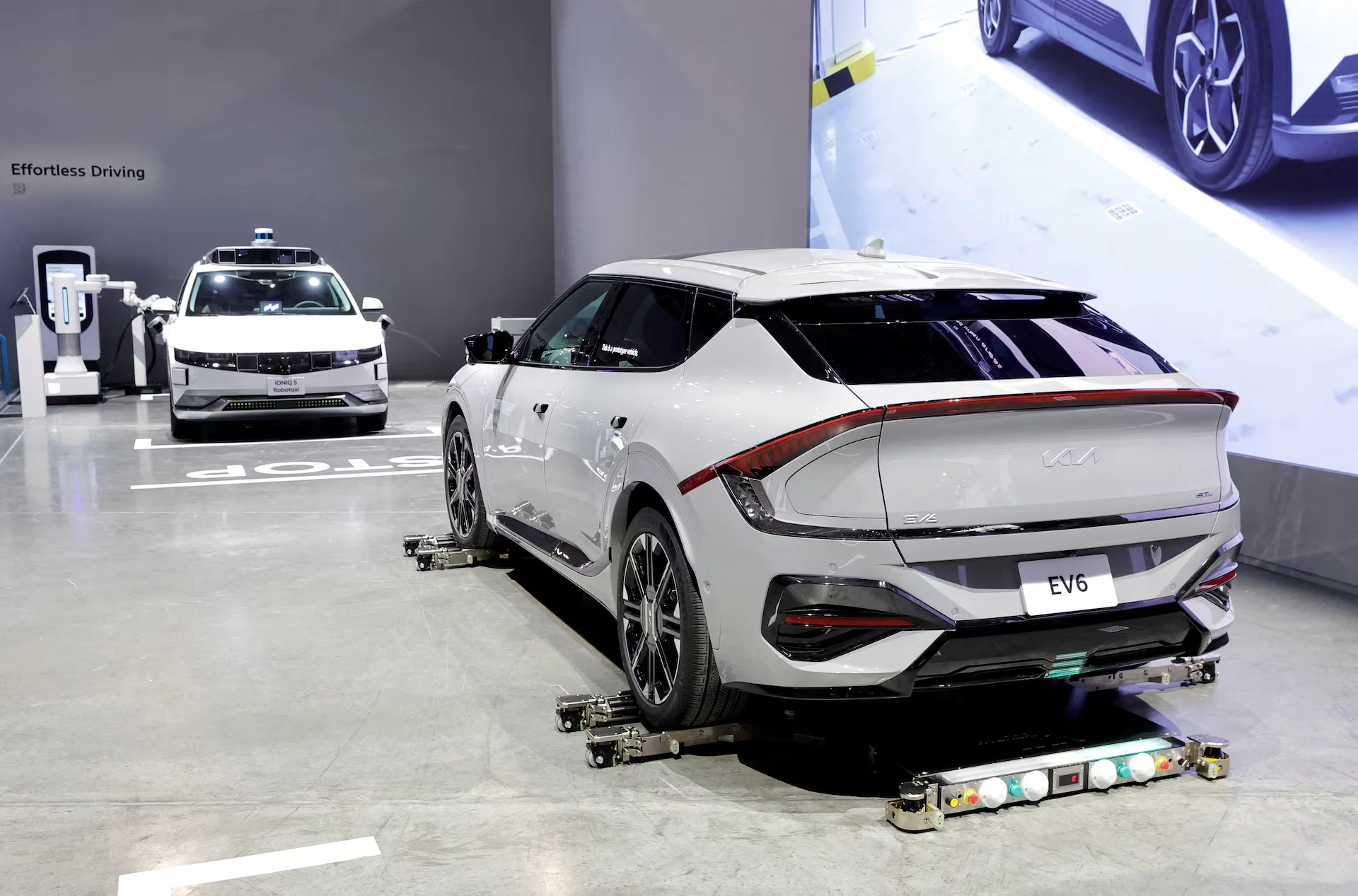
Another major factor driving these Kia electric vehicle price cuts is the rapid evolution of their lineup. With the 2026 versions of the EV6 and EV9 arriving with upgraded battery tech and faster charging, Kia needs to move its existing inventory quickly. This has created a “buyer’s market” where consumers can find top-tier electric SUVs for significantly less than they would have paid just twelve months ago. Furthermore, the introduction of entry-level models like the EV3 and EV2 means that the price cuts are flowing down the entire chain. By lowering the entry price for their premium cars, Kia is setting a new industry standard where high-performance electric mobility is finally becoming accessible to the average driver.
Is It the Right Time to Invest in a Kia EV?
For anyone tracking the market, the current trend of Kia electric vehicle price cuts offers a rare window of opportunity. While some enthusiasts might want to wait for the absolute latest technology, the massive discounts currently available on the 2025 and early 2026 models provide a “value-for-money” ratio that is hard to beat. As the “Price War” between South Korean, American, and Chinese manufacturers continues to heat up, the transparency in pricing and the increase in standard features suggest that the market is finally maturing. For the consumer, this means better technology, longer ranges, and—most importantly—a much more affordable path to going electric.
Kia EV Price Comparison (2025 vs. 2026)
To help you understand the scale of these changes, the following table breaks down the estimated price shifts for the most popular models. These figures reflect the impact of the Kia electric vehicle price cuts across the current lineup.
| Model Variant | 2025 MSRP (Outgoing) | 2026 MSRP (New) | Potential Savings |
| Kia EV6 (Light) | $42,900 | $37,900 | $5,000 |
| Kia EV6 GT-Line | $56,145 | $50,245 | $5,900 |
| Kia EV9 (Long Range) | $65,000 | $55,000 | $10,000 |
| Kia EV3 (Standard) | N/A | $35,000 | New Entry |
Frequently Asked Questions (FAQs)
Why are there such significant Kia electric vehicle price cuts in 2026?
The primary reason is the increased competition from Chinese EV manufacturers and the need to clear 2025 inventory before new models arrive. By reducing prices, Kia aims to maintain its global market share and remain a competitive alternative to brands like Tesla and BYD.
Will the quality of the cars decrease because of the lower prices?
Not at all. In fact, many of the 2026 models benefiting from these price cuts feature improved battery technology and better software. The lower prices are a result of strategic market positioning and optimized production costs, rather than a reduction in build quality.
Do these price cuts apply to used Kia EVs as well?
Yes, typically. When new car prices drop, the resale value of used models often follows suit. This makes the 2026 market an excellent time to look for certified pre-owned Kia electric vehicles at much lower rates than previous years.
Is the Kia EV6 now cheaper than the Tesla Model Y?
With the recent Kia electric vehicle price cuts, the base model of the EV6 now starts around $37,900, which undercuts the starting price of the Tesla Model Y in several regions. This makes Kia one of the most affordable non-Chinese EV options on the market today.
How long will these discounts and lower MSRPs last?
While the new MSRPs for 2026 models are expected to stay, the massive $10,000 rebates on 2025 models are usually limited-time offers to clear out old stock. If you are looking for the maximum possible saving, it is best to act while the 2025 inventory is still available.

I’m Waqas, an electric vehicle enthusiast and tech writer with over 6 years of experience covering the EV industry. I write in-depth articles, comparisons, and reviews to help readers understand the fast-evolving world of electric mobility. From battery technology to EV launches and charging trends, I aim to make complex EV topics simple, engaging, and informative for everyday drivers and curious readers alike.