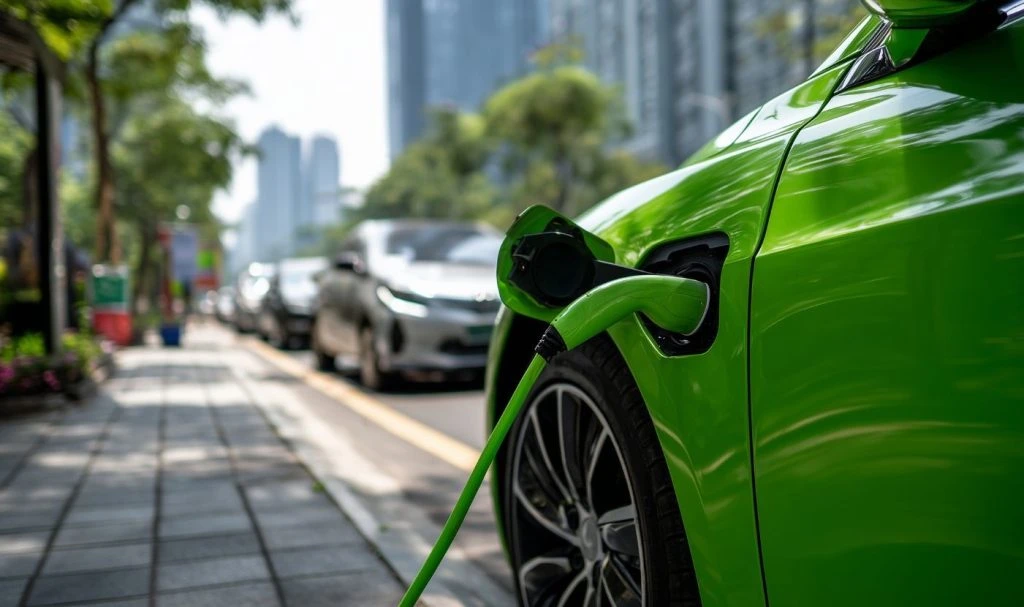
Electric vehicle adoption in Australia is growing rapidly, and income levels are playing a major role in this transition. In the early stages of the EV market, electric cars were mostly purchased by higher-income households because of their higher upfront costs. However, the situation is now changing as more affordable models enter the market and government incentives make EV ownership easier for middle-income Australians.
The Australian EV market is now moving beyond luxury buyers and entering the mainstream, showing a clear shift in consumer behavior across different income groups.
EV Adoption in Australia Is Accelerating
Australia has seen a major increase in electric vehicle sales over the past few years. EVs now account for a growing share of new car sales, with adoption rising sharply during 2026. High fuel prices, government tax incentives, and expanding charging infrastructure are all contributing to this growth. Experts believe Australia is entering a phase where EV adoption could accelerate much faster than expected.
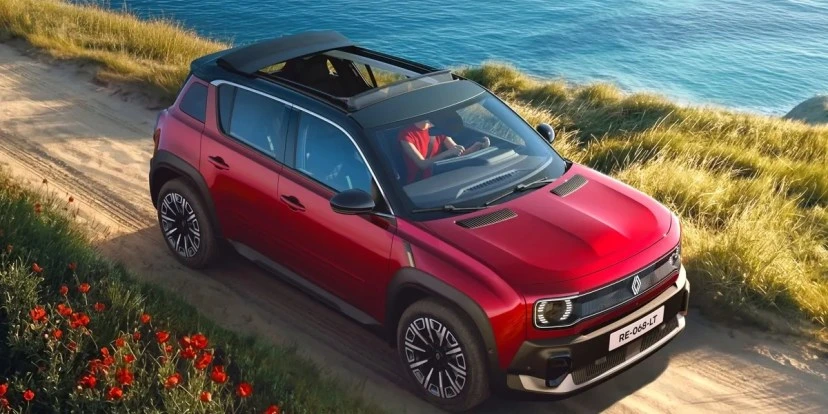
The market has also become more competitive as companies introduce affordable EV options. This has reduced the gap between luxury electric cars and more budget-friendly models, allowing a broader range of Australians to consider switching to electric vehicles.
How Income Affects Electric Vehicle Adoption
Income remains one of the strongest factors influencing EV adoption in Australia. Higher-income households were the first to adopt electric vehicles because they could afford the initial purchase cost more easily. Many early EV buyers also had access to home charging, private parking, and larger household budgets.
However, middle-income Australians are now becoming a major part of EV growth. Rising petrol prices have made traditional vehicles more expensive to operate, encouraging many families to look at EVs as a long-term cost-saving option. Lower running costs, reduced servicing expenses, and government-backed financing programs are helping more consumers enter the market.
Research also shows that affordability is still the biggest barrier for lower-income households. While infrastructure and charging access matter, household income continues to be the main factor determining whether consumers can switch to electric vehicles.
Affordable EVs Are Changing the Market
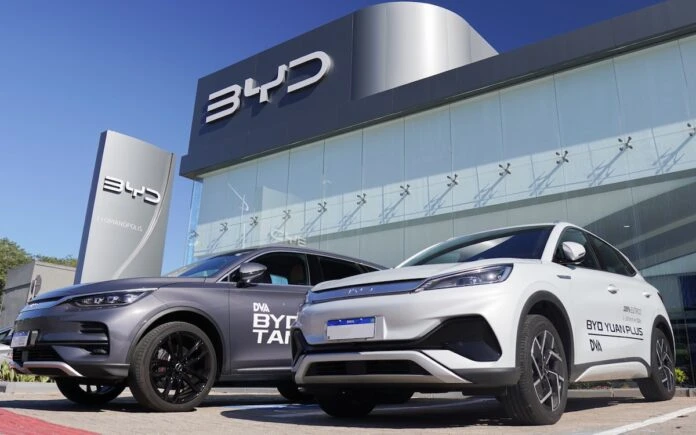
One of the biggest reasons EV adoption is expanding across income groups is the arrival of cheaper electric vehicles. Brands like BYD, MG Motor, and other Chinese automakers are introducing lower-cost models that appeal to middle-income buyers.
This increased competition is reducing prices and forcing traditional car manufacturers to become more aggressive with discounts and incentives. As a result, electric vehicles are slowly becoming more accessible to average Australian households instead of remaining limited to premium buyers.
Government Incentives Supporting EV Adoption
Government support has played a major role in increasing EV adoption across different income levels. Australia introduced tax benefits such as the Fringe Benefits Tax exemption, which significantly reduced the cost of EV ownership through novated leases. This policy has helped thousands of Australians switch to electric vehicles by lowering monthly expenses.
Some states also offer additional incentives such as registration discounts, stamp duty reductions, and charging infrastructure funding. These policies have helped improve EV affordability and encouraged broader market adoption.
Rising Fuel Prices Are Driving More Australians Toward EVs
Fuel prices have become another major factor influencing EV adoption. Petrol and diesel prices increased sharply during recent global energy disruptions, making electric vehicles more attractive from a financial perspective. Many Australians now see EVs as a way to reduce long-term transportation costs and avoid fuel price volatility.
As a result, EV demand has increased not only among wealthier consumers but also among middle-income families who want lower running costs and greater financial stability.
Infrastructure and Charging Access Still Matter
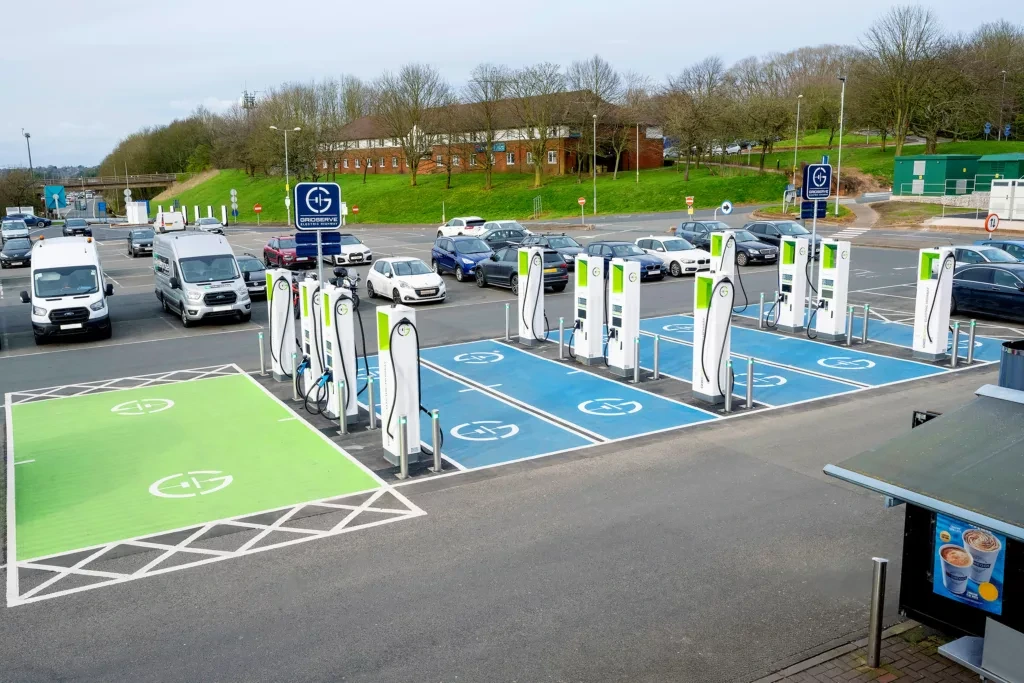
Although EV adoption is growing, infrastructure challenges still exist. Public charging networks are expanding, but access remains uneven in some regional and lower-income areas. Most EV charging still happens at home, which means people without private parking may face difficulties owning an electric vehicle.
Australia is investing heavily in charging infrastructure, and future improvements are expected to make EV ownership more practical for a wider population.
Future of EV Adoption Across Income Groups
The future of electric vehicle adoption in Australia looks strong. As EV prices continue to fall and more affordable models enter the market, adoption is expected to expand further across middle- and lower-income households.
Experts believe the Australian EV market is moving toward mainstream adoption, especially as charging infrastructure improves and government policies continue supporting cleaner transportation. The shift is no longer limited to wealthy buyers—it is becoming part of everyday consumer behavior across the country.
Conclusion
Australia’s electric vehicle market is entering a new phase where income is still important, but no longer the only factor shaping adoption. Higher-income households may have led the transition, but affordable EVs, rising fuel prices, and government incentives are now bringing middle-income Australians into the market as well.
As prices continue to decrease and infrastructure improves, electric vehicles are expected to become accessible to an even larger portion of the population, accelerating Australia’s shift toward electric mobility.

I’m Waqas, an electric vehicle enthusiast and tech writer with over 6 years of experience covering the EV industry. I write in-depth articles, comparisons, and reviews to help readers understand the fast-evolving world of electric mobility. From battery technology to EV launches and charging trends, I aim to make complex EV topics simple, engaging, and informative for everyday drivers and curious readers alike.