Introduction
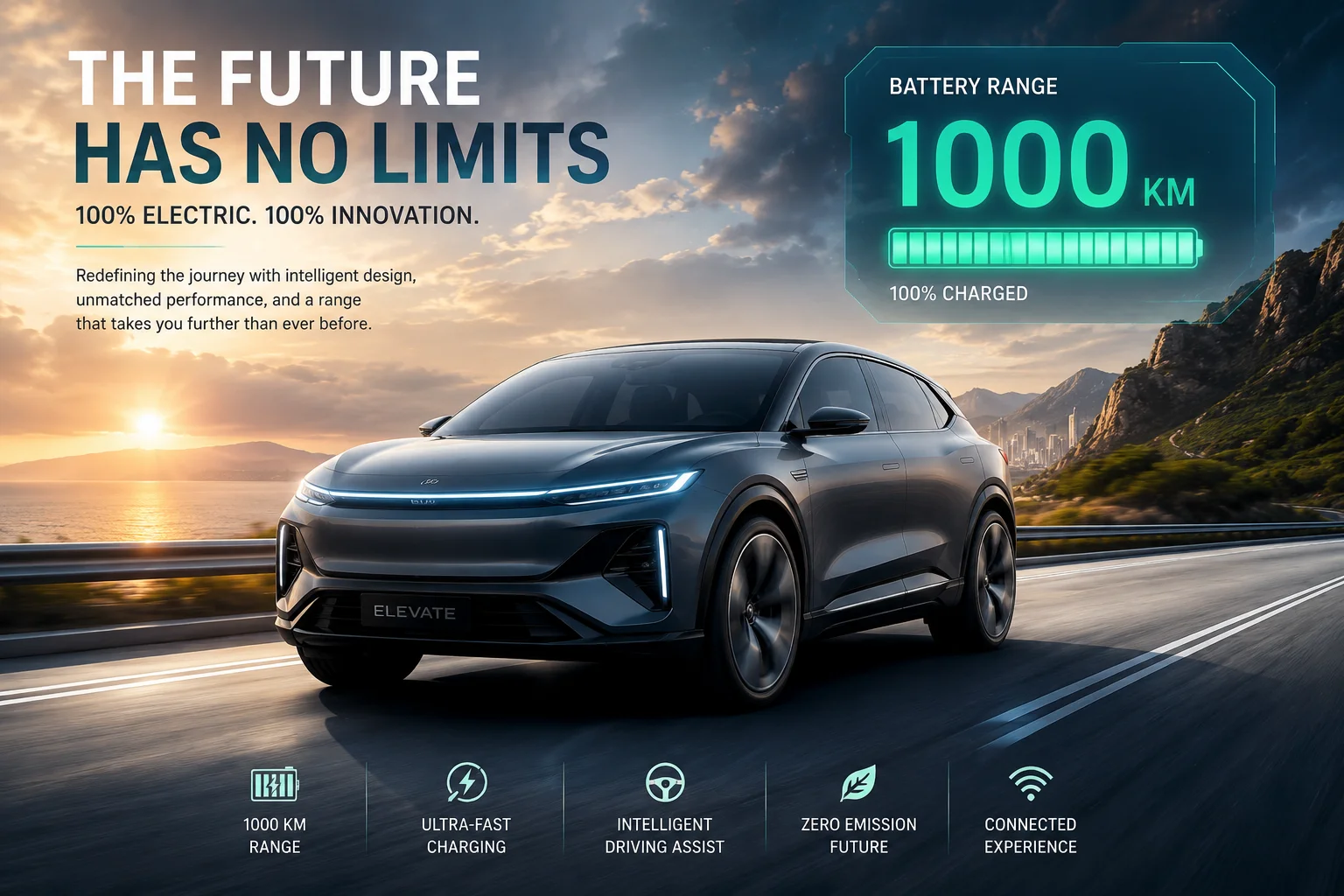
The automotive industry is entering a revolutionary era, and one of the most exciting developments is the electric vehicle range breakthrough 1000km. For many years, electric vehicles faced criticism because of their limited driving range. While early EVs offered environmental benefits and lower operating costs, many drivers hesitated to switch from gasoline-powered vehicles due to concerns about how far they could travel on a single charge. This concern, commonly known as range anxiety, has been one of the biggest obstacles to widespread electric vehicle adoption.
Today, however, the situation is changing rapidly. Advances in battery technology, vehicle design, energy management systems, and charging infrastructure are pushing electric vehicles to new heights. Manufacturers around the world are developing EVs capable of traveling up to 1000 kilometers on a single charge, a milestone that was once considered unrealistic. This achievement has the potential to completely transform consumer perceptions of electric mobility and accelerate the global transition toward sustainable transportation.
The journey to achieving a 1000km range is not simply about installing larger batteries. It involves a combination of innovative engineering solutions, cutting-edge materials, and intelligent software systems working together to maximize efficiency. As these technologies continue to evolve, electric vehicles are becoming increasingly competitive with traditional internal combustion engine vehicles in terms of convenience, performance, and practicality.
Understanding Why EV Range Matters
Driving range remains one of the most important factors influencing consumer purchasing decisions. When buyers evaluate a vehicle, they naturally consider whether it can meet their daily transportation needs as well as occasional long-distance travel requirements. For conventional gasoline vehicles, refueling is quick and widely accessible, making range less of a concern. Electric vehicles, however, depend on charging infrastructure, which has historically been less widespread.
A longer driving range gives consumers greater confidence and flexibility. Drivers no longer need to carefully plan every journey around charging stations or worry about battery levels during unexpected detours. A vehicle capable of traveling 1000 kilometers can comfortably handle most long-distance trips without requiring a recharge. This level of convenience significantly narrows the gap between electric and traditional vehicles.
Furthermore, longer-range EVs are particularly beneficial for people living in rural areas, where charging infrastructure may still be developing. They also appeal to commercial fleet operators who require vehicles capable of covering substantial distances efficiently. As a result, increasing range has become one of the primary goals for automakers seeking to expand EV adoption across different market segments.
The Significance of the 1000km Milestone
The achievement of a 1000km driving range represents much more than a technical accomplishment. It signals a major turning point in the evolution of electric transportation. For years, critics argued that electric vehicles would never match the practicality of gasoline-powered cars for long-distance travel. Reaching the 1000km threshold challenges that assumption and demonstrates how rapidly EV technology has advanced.
This milestone has important implications for consumer behavior. Many potential buyers who were previously hesitant to adopt electric vehicles may now view them as realistic alternatives to conventional cars. The ability to travel such long distances without recharging addresses one of the most frequently cited concerns among prospective EV owners.
The psychological impact of this breakthrough is equally significant. Even if most drivers rarely travel 1000 kilometers in a single journey, knowing that their vehicle is capable of doing so provides peace of mind. This increased confidence can encourage more consumers to make the switch to electric transportation, ultimately supporting global sustainability goals and reducing dependence on fossil fuels.
Battery Technology Behind the Breakthrough
At the heart of the electric vehicle range breakthrough 1000km lies remarkable progress in battery technology. Modern battery systems are becoming more energy-dense, safer, lighter, and more efficient than ever before. These improvements allow vehicles to store greater amounts of energy without significantly increasing size or weight.
One of the most promising developments is the emergence of solid-state batteries. Unlike conventional lithium-ion batteries, which use liquid electrolytes, solid-state batteries utilize solid materials to transfer ions. This design offers several advantages, including higher energy density, improved safety, and faster charging capabilities. Because they can store more energy in a compact space, solid-state batteries are expected to play a major role in achieving and exceeding the 1000km range milestone.
Another important innovation involves silicon-anode technology. Traditional lithium-ion batteries rely on graphite anodes, but silicon can store significantly more lithium ions. By replacing or supplementing graphite with silicon, manufacturers can dramatically increase battery capacity without increasing battery size. This advancement has the potential to extend vehicle range while maintaining reasonable production costs.
Researchers are also exploring lithium-sulfur batteries, which could offer even higher energy densities than current lithium-ion systems. Although challenges related to durability and commercial scalability remain, lithium-sulfur technology represents an exciting avenue for future development. If successfully commercialized, these batteries could support electric vehicles capable of traveling well beyond 1000 kilometers on a single charge.
Aerodynamics and Vehicle Efficiency
Battery improvements alone cannot achieve a 1000km driving range. Vehicle efficiency plays an equally important role. Engineers continuously refine vehicle designs to minimize energy consumption and maximize the effectiveness of every stored kilowatt-hour.
Aerodynamics is one of the most critical factors affecting efficiency. When a vehicle moves at high speeds, it must overcome air resistance. The greater the aerodynamic drag, the more energy is required to maintain speed. Modern electric vehicles are therefore designed with sleek profiles, smooth surfaces, optimized wheel designs, and carefully engineered airflow management systems.
Even small reductions in drag can produce meaningful improvements in range. Manufacturers invest heavily in wind tunnel testing and computational fluid dynamics simulations to identify opportunities for aerodynamic optimization. These efforts help vehicles travel farther without requiring larger batteries.
Weight reduction is another essential strategy. Advanced materials such as aluminum alloys, carbon-fiber composites, and lightweight polymers allow manufacturers to reduce vehicle mass while maintaining structural strength and safety. A lighter vehicle requires less energy to accelerate and maintain motion, contributing directly to increased range.
The Role of Intelligent Energy Management
Modern electric vehicles rely heavily on sophisticated software systems to maximize efficiency. Intelligent energy management technologies continuously monitor battery performance, driving conditions, weather, and vehicle systems to optimize energy usage in real time.
Artificial intelligence is increasingly being integrated into battery management systems. These advanced algorithms can predict energy consumption patterns, optimize charging behavior, and maintain battery temperatures within ideal operating ranges. By reducing energy waste and improving battery health, intelligent management systems contribute significantly to overall vehicle range.
Regenerative braking systems also play a crucial role. Instead of allowing kinetic energy to dissipate as heat during braking, regenerative systems capture and convert that energy back into electricity, which is then stored in the battery. This process improves efficiency and extends driving range, particularly in urban environments where frequent stopping and starting occur.
Charging Infrastructure and Long-Range EV Adoption
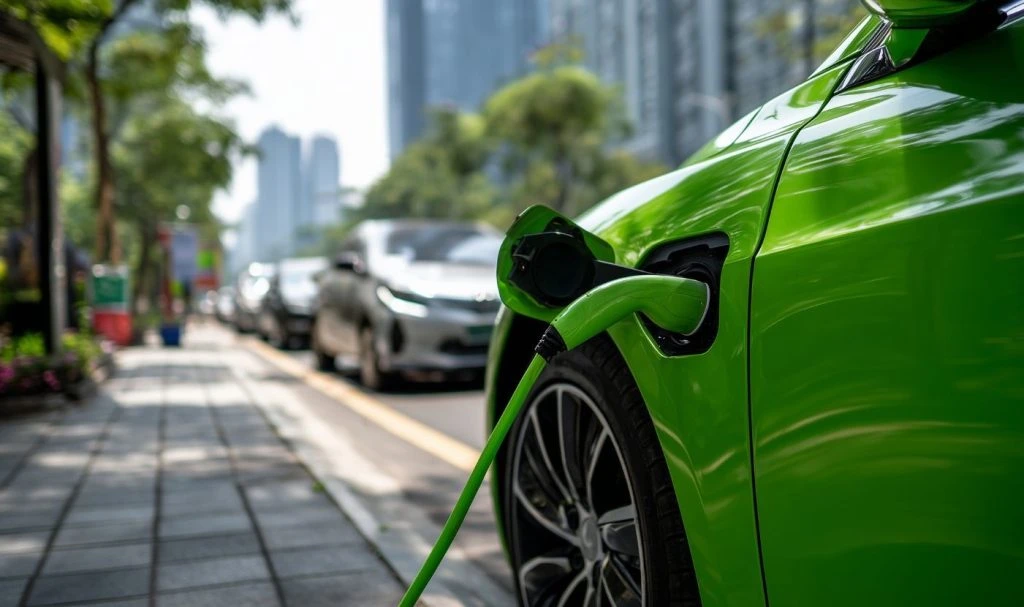
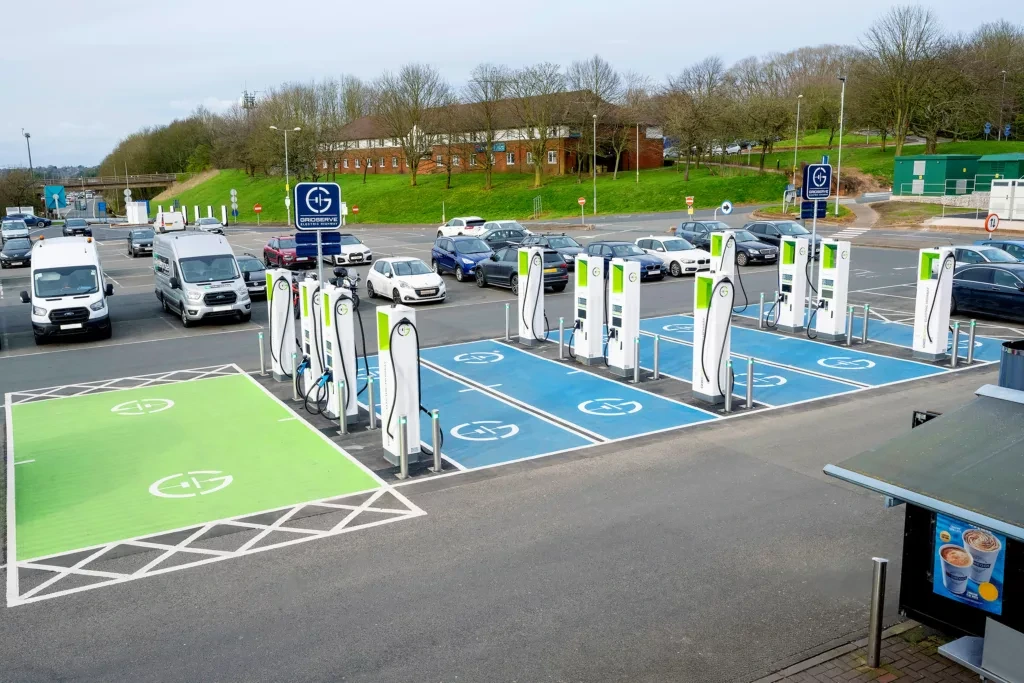
While achieving a 1000km range is a remarkable accomplishment, charging infrastructure remains an important component of the overall EV ecosystem. Drivers need access to reliable charging networks for maximum convenience and flexibility.
Fortunately, charging technology has advanced significantly in recent years. Ultra-fast charging stations are becoming increasingly common, capable of delivering substantial amounts of energy within minutes rather than hours. As charging speeds continue to improve, long-distance EV travel becomes even more practical.
The combination of extended driving range and faster charging creates a compelling value proposition for consumers. Drivers can travel farther between charging sessions while spending less time waiting when recharging is necessary. This improved convenience strengthens the case for widespread EV adoption and helps address lingering concerns about charging accessibility.
Conclusion
The electric vehicle range breakthrough 1000km represents a defining moment in the evolution of transportation. Through advancements in battery chemistry, vehicle efficiency, intelligent software systems, and charging infrastructure, electric vehicles are rapidly overcoming one of their most significant limitations. The achievement of a 1000-kilometer driving range demonstrates that EV technology is maturing faster than many experts predicted.
As innovation continues, consumers can expect even greater improvements in range, affordability, charging speed, and overall performance. These developments are likely to accelerate the transition toward cleaner and more sustainable transportation systems around the world. The future of mobility is increasingly electric, and the 1000km milestone serves as powerful evidence of how far the industry has progressed.
Frequently Asked Questions (FAQs)
1. What is the electric vehicle range breakthrough 1000km?
The electric vehicle range breakthrough 1000km refers to the development of electric vehicles capable of traveling up to 1,000 kilometers on a single charge. This milestone significantly reduces range anxiety and makes EVs more practical for long-distance travel.
2. Which battery technology is helping EVs reach 1000km range?
Advanced battery technologies such as solid-state batteries, silicon-anode batteries, and next-generation lithium-ion batteries are playing a major role in extending electric vehicle range. These technologies offer higher energy density and improved efficiency compared to traditional batteries.
3. Are there any electric vehicles currently capable of traveling 1000km on one charge?
Several manufacturers have introduced concept vehicles and high-end EV models that are approaching or exceeding the 1000km mark under specific testing conditions. Commercial availability is expected to increase as battery technology continues to improve.
4. How long does it take to charge a 1000km-range electric vehicle?
Charging time depends on battery size and charging infrastructure. With modern ultra-fast charging stations, some long-range EVs can recover hundreds of kilometers of driving range in less than 30 minutes.
5. Will 1000km-range EVs be more expensive?
Initially, vehicles with larger and more advanced battery systems may cost more. However, as production scales up and technology matures, prices are expected to become more affordable for mainstream consumers.
6. How does a 1000km-range EV benefit the environment?
Long-range electric vehicles encourage more people to switch from gasoline-powered cars, helping reduce greenhouse gas emissions, improve air quality, and support sustainable transportation initiatives worldwide.
7. What challenges remain for long-range electric vehicles?
Challenges include battery production costs, raw material supply chains, charging infrastructure expansion, and battery recycling. Industry leaders are actively working on solutions to address these issues.
8. Can electric vehicles exceed 1000km range in the future?
Yes. Researchers are already developing next-generation battery technologies that may allow electric vehicles to travel well beyond 1000 kilometers while offering faster charging and longer battery life.

I’m Waqas, an electric vehicle enthusiast and tech writer with over 6 years of experience covering the EV industry. I write in-depth articles, comparisons, and reviews to help readers understand the fast-evolving world of electric mobility. From battery technology to EV launches and charging trends, I aim to make complex EV topics simple, engaging, and informative for everyday drivers and curious readers alike.