Introduction
The New Zealand electric vehicle market is entering a new phase of rapid growth, marking what many experts call a true tipping point. For years, EV adoption moved slowly, but recent trends show a clear shift as more consumers choose electric and hybrid vehicles over traditional petrol cars. This transition is no longer experimental or limited to early adopters. Instead, it is becoming a mainstream movement driven by real-world needs and economic factors.
What Tipping Point Means in New Zealand EV Market
A tipping point is the stage where change becomes fast and almost unstoppable. In New Zealand, this moment has arrived for electric vehicles. EV sales have increased sharply, and monthly registrations have grown significantly compared to previous years. At the same time, plug-in hybrids are also gaining popularity, showing that buyers are actively moving toward electrified transport.
This shift proves that EVs are no longer just an alternative option. They are quickly becoming a preferred choice for everyday drivers across the country.
Current EV Market Growth in New Zealand
The numbers clearly show how strong this transition has become. Electric vehicles now make up a noticeable share of new car sales, while hybrid and plug-in hybrid vehicles continue to grow steadily. Combined, electrified vehicles represent a significant portion of the total market, nearly competing with traditional fuel-powered cars.
This level of growth highlights that New Zealand is moving closer to a future where electric vehicles could dominate new car sales.
Key Reasons Behind the EV Surge
Several important factors are driving this rapid shift. Rising fuel prices are one of the biggest reasons, as drivers look for more cost-effective alternatives. Electric vehicles offer lower running costs, making them more attractive for long-term savings.
At the same time, EV technology has improved significantly. Modern electric cars now offer better driving range, faster charging times, and more advanced features. These improvements make EVs more practical for daily use and long-distance travel.
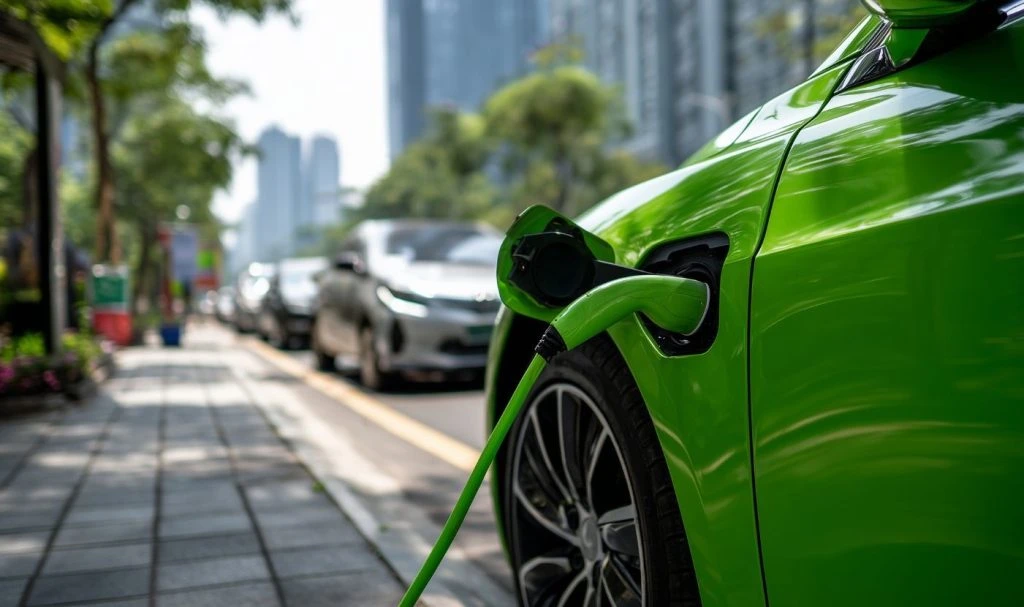
Infrastructure development is another key factor. Charging networks are expanding across the country, making it easier for drivers to own and operate electric vehicles without worrying about range limitations.
Electric Vehicles vs Petrol Cars
The competition between electric vehicles and petrol cars is becoming more intense. While petrol vehicles still hold a portion of the market, the gap is shrinking quickly. More consumers are realizing the benefits of EVs, including lower fuel costs, reduced emissions, and a smoother driving experience.
However, petrol cars still have advantages such as lower upfront cost and wider availability. This means the transition is still ongoing, but the direction is clearly moving toward electric mobility.
Real Impact on Consumers
For everyday drivers in New Zealand, this shift brings both opportunities and challenges. On one hand, electric vehicles are becoming more affordable, and buyers now have access to a wider range of models. Increased competition is also pushing manufacturers to offer better features at competitive prices.
On the other hand, some concerns still exist. The upfront cost of EVs can be higher compared to petrol cars, and charging availability may vary depending on location. Despite this, the long-term savings and environmental benefits continue to attract more buyers.
Is New Zealand Ready for Full EV Adoption
New Zealand is in a strong position to support electric vehicle growth. A large portion of the country’s electricity comes from renewable sources, which makes EVs even more environmentally friendly. In addition, many households have access to home charging, which simplifies daily use.
Short travel distances also make EVs more practical, as most daily trips can be completed without needing frequent charging. While improvements are still needed in infrastructure and affordability, the country is well on its way to becoming EV-friendly.
Future of Electric Vehicles in New Zealand
The future of the EV market in New Zealand looks promising. As technology continues to improve and prices gradually decrease, more consumers are expected to switch to electric vehicles. Manufacturers are also investing heavily in new models, which will further increase competition and innovation.
This tipping point is not just a short-term trend. It represents a long-term transformation that will shape the future of transportation in the country.
Conclusion
The NZ electric vehicle market tipping point marks a major shift in how people view transportation. Electric vehicles are no longer a niche product; they are becoming a practical and popular choice for everyday use. With strong growth, better technology, and increasing awareness, the transition toward electric mobility is gaining momentum.
For consumers, this means more choices, better value, and a clear move toward a cleaner and more efficient future.

I’m Waqas, an electric vehicle enthusiast and tech writer with over 6 years of experience covering the EV industry. I write in-depth articles, comparisons, and reviews to help readers understand the fast-evolving world of electric mobility. From battery technology to EV launches and charging trends, I aim to make complex EV topics simple, engaging, and informative for everyday drivers and curious readers alike.