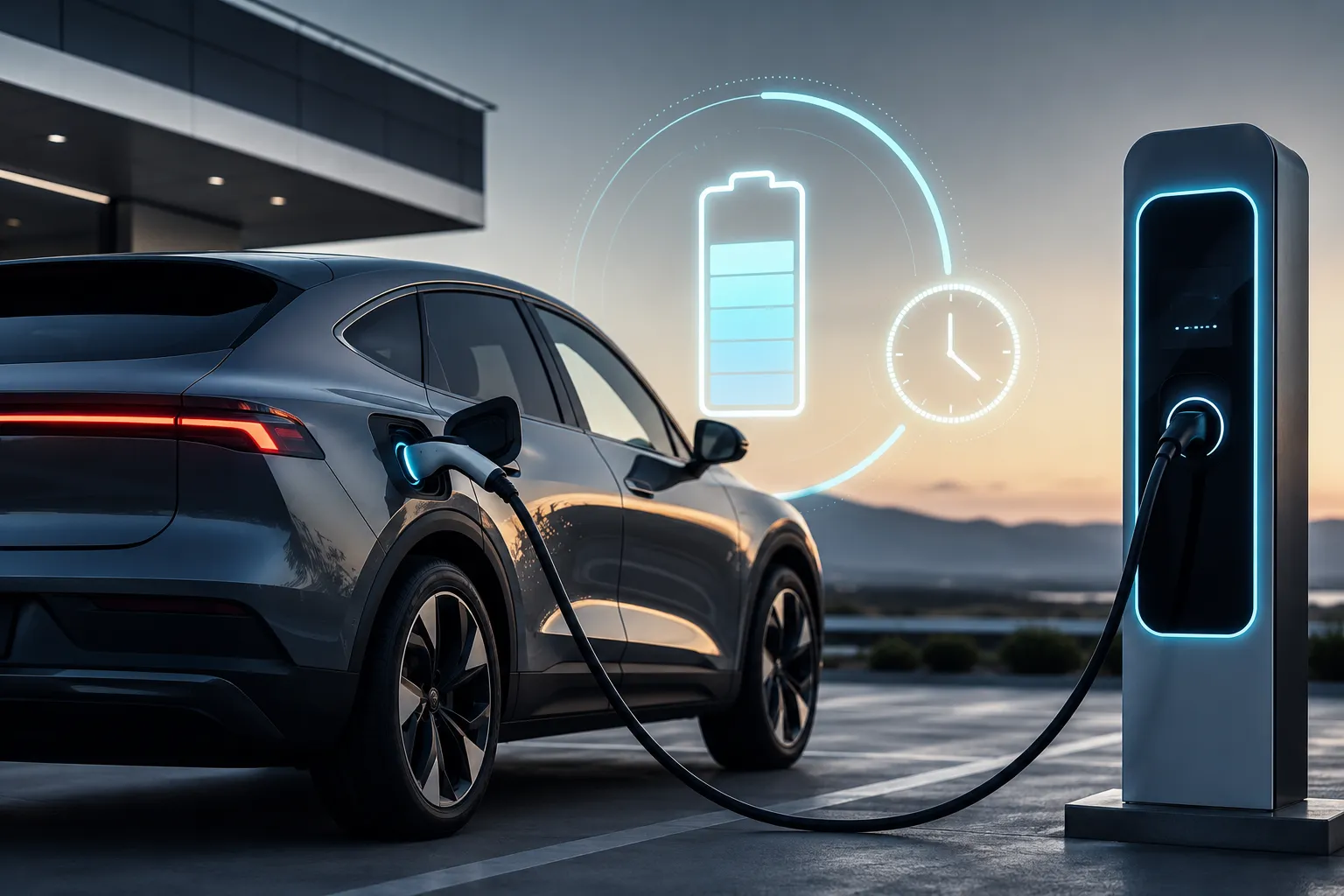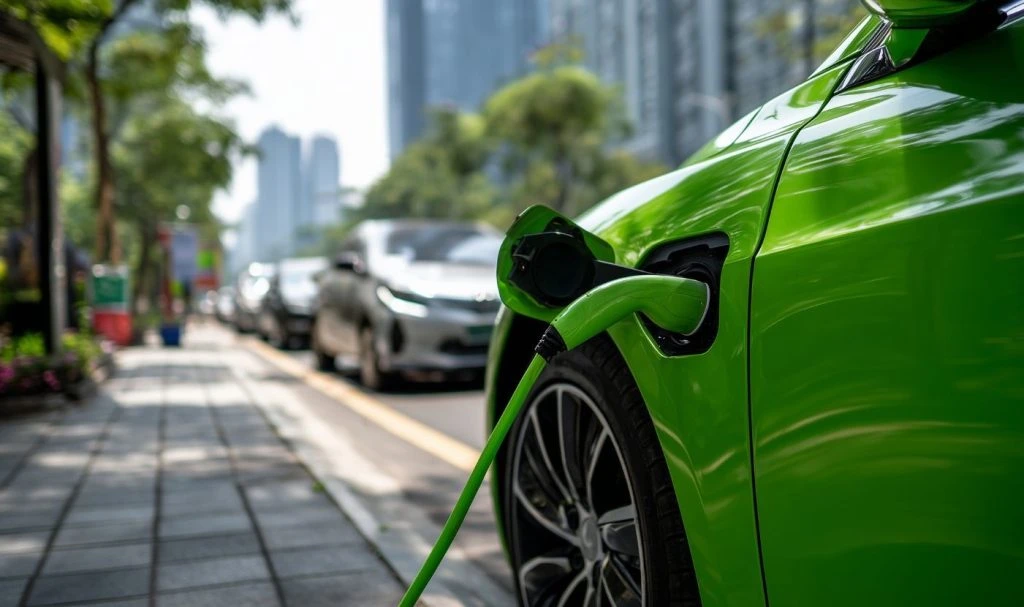
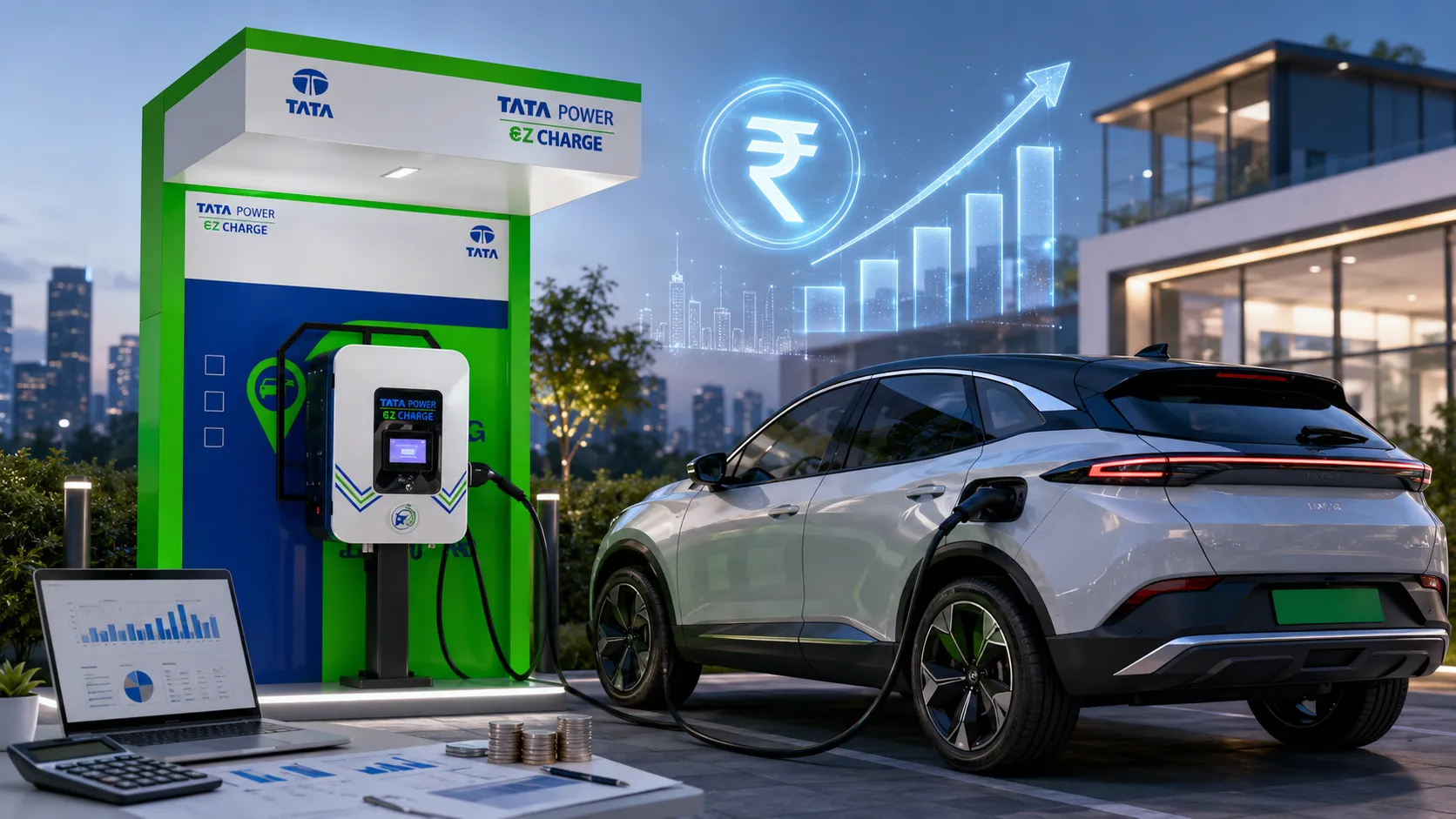
A few days ago, I was standing outside a shopping complex and watching two EV owners waiting near a charging point. One guy was relaxed, sipping tea while his car charged. The other was clearly annoyed because the charger nearby was already occupied, and he had to search another location on his phone.
That small moment explains why EV charging has become such an interesting business idea in India.
People are buying electric cars and scooters, but the charging experience is still not perfect everywhere. In metro cities, you can usually find chargers. But in many highways, apartment areas, hotels, hospitals, malls, offices, and Tier 2 cities, there is still a gap. That is why many business owners are now searching for tata power ev charging station franchise cost and whether it is actually worth investing in.
The honest answer is: yes, it can be a good business, but it is not a “quick money” business. You need the right location, enough electric load, proper planning, and patience. The cost can also be much higher than what many random YouTube videos or social media posts suggest.
Let’s break it down in a simple and practical way.
First, Is Tata Power Offering an EV Charging Franchise?
Yes, Tata Power has an EV charging business under Tata Power EZ Charge. They work with property owners, business owners, fleet operators, fuel station owners, hotels, commercial spaces, and entrepreneurs who want to set up EV charging stations.
But here is one important thing many people misunderstand.
When people hear the word “franchise,” they often think it works like a food outlet franchise where you pay a fixed franchise fee, open a branded outlet, and start selling. EV charging is different.
In this business, the biggest cost is usually not a fancy franchise fee. The real cost comes from land, electrical infrastructure, charger hardware, installation, civil work, electricity connection, safety setup, maintenance, and sometimes extra power load upgrades.
Tata Power’s official franchise page says registration fees are not applicable, and they advise using only the official website and verified Tata Power email addresses. That is important because this industry has also attracted fake agents who promise “guaranteed franchise approval” after taking money.
So before paying anyone, always verify through Tata Power’s official website or helpline.
So, What Is the Tata Power EV Charging Station Franchise Cost?
Based on Tata Power’s own public information, the typical investment for an EV charging station franchise can be around ₹1 crore to ₹2 crore.
Now, this number can feel shocking if you were expecting ₹5 lakh or ₹10 lakh. But once you understand what goes into a proper public charging station, it starts making sense.
A serious EV charging station is not just one charger fixed on a wall. A proper setup may include:
- AC chargers
- DC fast chargers
- Electrical panels
- Cables and connectors
- Load approval
- Transformer or power upgrade
- Civil work
- Parking bay marking
- Safety equipment
- Internet connectivity
- Branding and signage
- Software/app integration
- Maintenance support
- Customer support system
A 50 kW or higher DC fast charger itself can cost a significant amount. Then you still have installation, power connection, approvals, wiring, earthing, protection systems, and site preparation.
This is why the total project cost can easily move into a high-investment range, especially if you want a highway or commercial fast-charging station.
Why Some Websites Show Lower Costs
You may see articles online saying EV charging stations can be started from ₹5 lakh, ₹10 lakh, or ₹25 lakh. Those numbers are not always fake, but they usually refer to smaller setups.
For example, if you are installing one or two slow AC chargers in an office parking area, small hotel, apartment, or private commercial space, the cost can be much lower.
But if your goal is to build a branded public charging station with fast chargers, proper parking, high uptime, and a serious business model, the budget changes completely.
This is the mistake many new investors make. They compare a small AC charger setup with a full public EV charging station. These are not the same businesses.
A small AC charger is like offering a basic convenience.
A DC fast-charging station is closer to building a proper service point where customers expect speed, reliability, parking space, app support, and safety.
What Tata Power Usually Supports With
One good thing about working with an established charging network is that you are not building everything from zero.
Tata Power’s franchise model talks about support in site evaluation, installation, branding, maintenance, technology, and software support. Their EZ Charge ecosystem also includes app-based charger discovery and transparent charging access for users.
From a customer point of view, this matters a lot.
When EV owners open an app, they want to see whether the charger is available, what type of charger it is, whether it is working, and how much charging may cost. If your station is not visible on a reliable app, your location may not get enough users even if you invested good money.
That is why software integration is not a small thing in this business. It directly affects customer flow.
Realistic Cost Breakdown
The exact cost depends on your city, land, electricity load, charger type, and station size. But to understand the budget better, think of it in parts.
1. Land or Parking Space
If you already own land or a commercial property, your project becomes much easier. If you need to rent land on a highway or near a busy market, your monthly fixed cost increases.
A charging station needs easy entry, safe parking, and enough space for vehicles to wait. A cramped location can hurt the business even if the charger is good.
2. Charger Hardware
AC chargers are cheaper but slower. DC fast chargers are expensive but attract customers who want quick charging.
For a commercial public station, many people prefer a mix of AC and DC chargers. This helps serve different users: cars that need fast charging, office users who can wait longer, and fleet vehicles that return regularly.
3. Electrical Infrastructure
This is where many beginners get surprised.
You may need a three-phase connection, load enhancement, proper cabling, panels, earthing, protection devices, and sometimes transformer-related work. If the location does not already have enough power capacity, the cost can rise.
Before finalizing any site, always check the available sanctioned load.
4. Civil Work and Safety
You may need concrete flooring, parking markings, lighting, rain protection, signage, CCTV, fire safety equipment, and proper cable routing.
A charging station is an electrical business. Cutting corners on safety is a bad idea.
5. Software and Operations
The charger needs to connect with a backend system. Users should be able to find it, start charging, make payments, and get support if something goes wrong.
This is where platforms like Tata Power EZ Charge become useful, because the app and network support can improve customer trust.
6. Maintenance
Chargers are not “install and forget” machines. They need uptime monitoring, occasional repairs, software updates, and physical checks. If a charger is down during peak hours, you lose money and customer trust.
How Much Can You Earn?
Tata Power’s public blog mentions possible revenue sources such as charging fees, fleet partnerships, advertising, and retail or food services. It also gives an average earning range, but I would strongly suggest not treating any earning number as guaranteed.
Your income depends on:
- Daily charging sessions
- Charger utilization
- Electricity tariff
- Selling price per kWh
- Location footfall
- Number of chargers
- Maintenance cost
- Rent or land cost
- Local EV adoption
- Fleet tie-ups
- Nearby competition
For example, a charger at a busy highway restaurant may perform better than a charger inside a low-traffic commercial building. But a workplace charger can also do well if many employees drive EVs and stay parked for several hours.
The real question is not just “How much can I earn?”
The better question is: “How many vehicles will actually charge here every day?”
That one question can save you from a bad investment.
Best Locations for Tata Power EV Charging Station Franchise
Location is the heart of this business. A good charger in a bad location will struggle.
Some practical locations include:
Highway Restaurants and Dhabas
EV owners like places where they can take a break while charging. Food, washrooms, and seating can increase customer satisfaction.
Malls and Shopping Centers
People can shop while their vehicle charges. This works especially well for AC or medium-speed charging.
Hotels and Resorts
EV owners often prefer hotels where charging is available overnight. This can become a strong selling point for hotels.
Office Parks
Employees park for long hours, making office locations good for slower chargers.
Apartment Complexes
Residential charging demand is growing, especially in cities where people cannot install private chargers easily.
Fuel Stations
Petrol pump owners already understand vehicle traffic, parking flow, and customer service. Adding EV chargers can help them prepare for the future.
Fleet Parking Areas
Fleet operators need predictable charging. If you can tie up with taxis, delivery vans, or company EV fleets, your utilization can become more stable.
Step-by-Step Process to Apply
The process may vary depending on the site and business model, but a practical path looks like this.
Step 1: Shortlist the Location
Do not start with the charger. Start with the location.
Check vehicle movement, nearby EV users, parking space, entry and exit, safety, visibility, and nearby competition.
Step 2: Check Electric Load
Ask an electrician or electrical consultant to check the available load. For DC fast chargers, power requirement is serious. If the load is not enough, calculate the cost of upgrading it.
Step 3: Contact Tata Power Officially
Use Tata Power’s official EV charging franchise page or helpline. Do not rely on random agents.
Share your basic site details, city, property type, parking space, and expected business model.
Step 4: Site Evaluation
The company or its team may evaluate whether your site is suitable. A high-traffic but technically weak site may still not be ideal.
Step 5: Understand the Commercial Terms
Before signing anything, understand who pays for what, who owns the charger, who handles maintenance, how pricing works, how revenue is shared, and what happens if utilization is low.
Step 6: Plan the Budget
Do not only calculate installation cost. Add rent, staff, electricity deposit, maintenance, insurance, internet, security, taxes, and backup expenses.
Step 7: Installation and Branding
Once the site is approved, installation, testing, branding, and app integration happen.
Step 8: Launch and Promote Locally
Do not assume customers will automatically come. Promote the charger locally. List it properly, add signage, inform EV communities, nearby taxi operators, hotel guests, and office users.
Common Mistakes to Avoid
Mistake 1: Believing Every “Low-Cost Franchise” Claim
If someone says you can open a full Tata Power EV charging station with a very small amount and earn huge monthly income from day one, be careful.
Always cross-check with official sources.
Mistake 2: Choosing Location Only Because Rent Is Cheap
Cheap rent does not mean good business. If EV users do not pass that area, the charger may remain idle.
Mistake 3: Ignoring Electricity Load
This is one of the biggest practical issues. A site may look perfect, but if power supply is weak, your cost and timeline can increase.
Mistake 4: Installing Only Slow Chargers in a Fast-Moving Area
Highway users usually want fast charging. If you install only slow AC chargers at a highway stop, customers may avoid it.
Mistake 5: Not Calculating Downtime
Even a good charger can face downtime. Your revenue estimate should include realistic maintenance and downtime assumptions.
Mistake 6: Expecting Petrol Pump-Level Traffic Immediately
EV adoption is growing, but it is still developing. The business may take time to mature in some locations.
Is This Business Better for Property Owners?
In my opinion, this business is more comfortable for people who already own a good location.
If you own a hotel, mall parking area, highway restaurant, office building, apartment complex, or fuel station, your risk is lower because you are not paying heavy rent only for charging revenue.
You can also earn indirectly.
For example, a hotel can attract EV-driving guests. A restaurant can get customers who stop for 30–45 minutes while charging. A mall can increase parking value. An office can offer charging as an employee benefit.
So even if charging revenue starts slowly, the overall property value and customer experience can improve.
Is Tata Power EV Charging Franchise Worth It?
It can be worth it, but only if you treat it like an infrastructure business, not a shortcut business.
The best candidates are people who have:
- A strong location
- Parking space
- Good electricity access
- Long-term mindset
- Ability to invest properly
- Patience for EV adoption to grow
- Willingness to follow safety and service standards
If you are investing only because someone showed you a viral earning screenshot, slow down.
Visit a few charging stations first. Use the Tata Power EZ Charge app or other EV charging apps to study charger locations near you. Check how many chargers are actually busy. Talk to EV owners if possible. See what they complain about: speed, availability, payment issues, parking, safety, or broken chargers.
That kind of real-world homework is more valuable than any online profit calculator.
Final Thoughts
The tata power ev charging station franchise cost is not a small-pocket investment if you are planning a serious public charging station. A realistic budget can be around ₹1 crore to ₹2 crore for a full-scale setup, while smaller charging setups may cost less depending on the charger type and location.
The smart approach is to first study your location, check electric load, understand customer demand, and then contact Tata Power through official channels.
EV charging is a future-facing business, but the future does not reward careless planning. The people who will benefit most are not those who rush in first, but those who choose the right site, build safely, keep chargers working, and give EV owners a smooth charging experience.
If you already own a good property with vehicle movement, this opportunity is worth exploring seriously. Just make sure you calculate the full project cost, not only the charger price.

I’m Waqas, an electric vehicle enthusiast and tech writer with over 6 years of experience covering the EV industry. I write in-depth articles, comparisons, and reviews to help readers understand the fast-evolving world of electric mobility. From battery technology to EV launches and charging trends, I aim to make complex EV topics simple, engaging, and informative for everyday drivers and curious readers alike.