A few months ago, I stopped at a small shopping plaza where two EV chargers were installed near the entrance. One charger was working, the other had a “temporarily unavailable” message on the screen. The funny part was that the working charger had a car parked in front of it, but the car was not even charging.
That small scene explains the electric vehicle charging business better than most fancy market reports.
People think this business is simply: buy a charger, install it, charge people money, and enjoy passive income.
Real life is not that clean.
An EV charging station can become a solid business, but only when the location, pricing, power cost, charger type, software, parking control, and customer experience all make sense together. A charger in the wrong place is just expensive street furniture. A charger in the right place can bring direct charging revenue, more customers to a business, stronger property value, and even brand trust.
So, let’s talk about the electric vehicle charging business model in a practical way — the way I would explain it to a friend who is thinking about installing chargers at a parking lot, hotel, restaurant, apartment building, gas station, office, or roadside location.
The First Thing to Understand: EV Charging Is Not One Business Model
The biggest mistake beginners make is thinking every charging station earns money the same way.
It does not.
A charger outside a grocery store has a different purpose than a charger at a highway stop. A charger inside an apartment building works differently from a fast charger near a busy road. Even the customer behavior is different.
For example, if someone is charging at a mall, they may stay for 45 minutes to two hours. They are not always in a rush. In that case, Level 2 charging may work well because the driver is already spending time there.
But if someone is driving between cities and stops at a charging station, they want speed. They may not care if charging costs a little more, as long as it is fast and reliable. That is where DC fast charging becomes more attractive.
So before spending money, the first question is not “How much does a charger cost?”
The better question is:
Why would someone charge here?
If you cannot answer that clearly, the business model is already weak.
Common Ways EV Charging Businesses Make Money
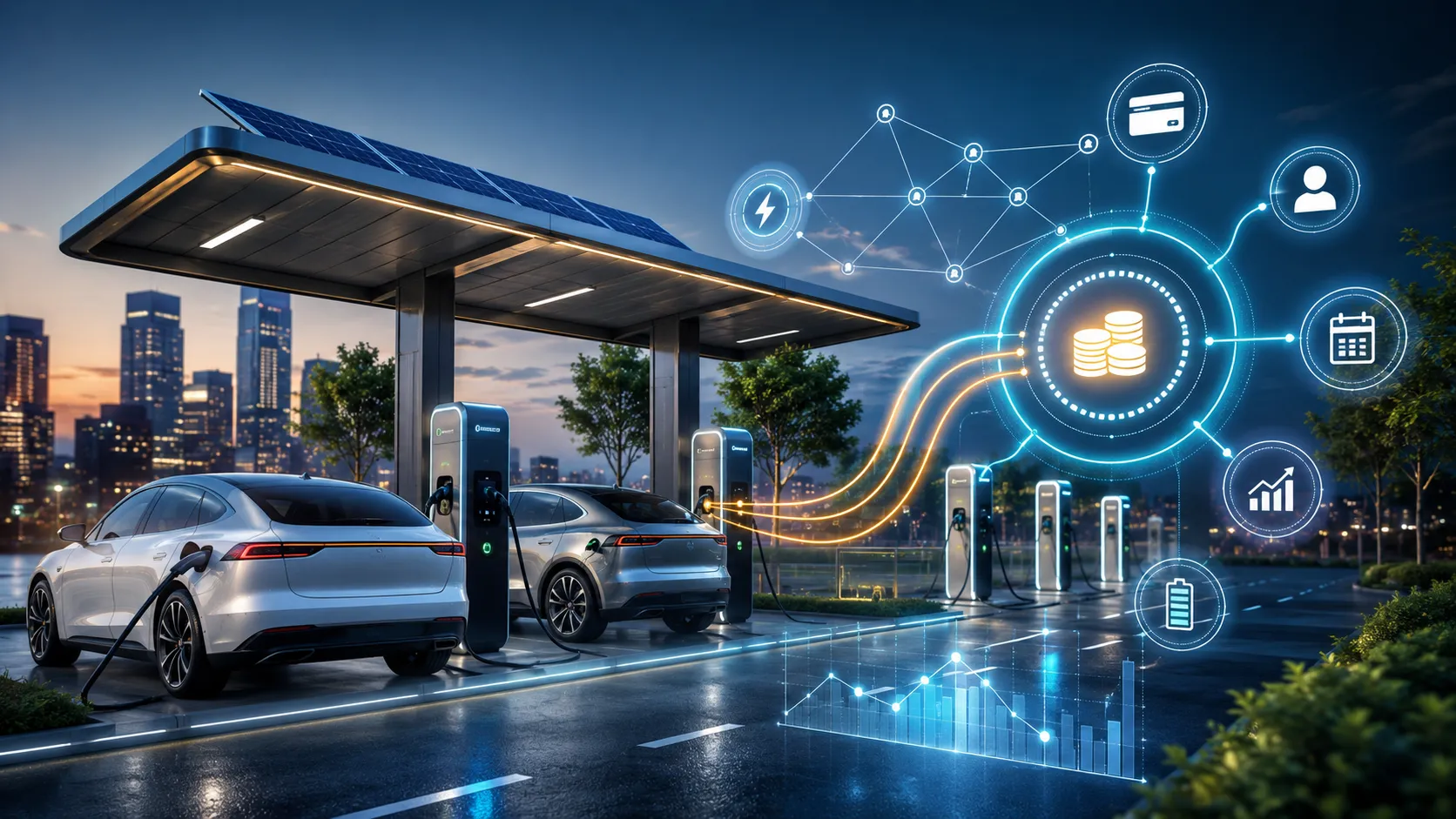
There are several ways to earn from EV charging. Some are direct, and some are indirect.
1. Charging Fees
This is the most obvious model.
You install a charger and charge drivers for electricity. Pricing can be based on:
- Per kWh
- Per minute
- Per session
- Parking time
- Membership plan
- Idle fees after charging is complete
The best pricing model depends on local rules, electricity rates, and the type of charger.
Per kWh pricing feels fair because customers pay for the actual energy used. Per minute pricing can make sense where energy resale rules are complicated, but drivers may dislike it if their car charges slowly.
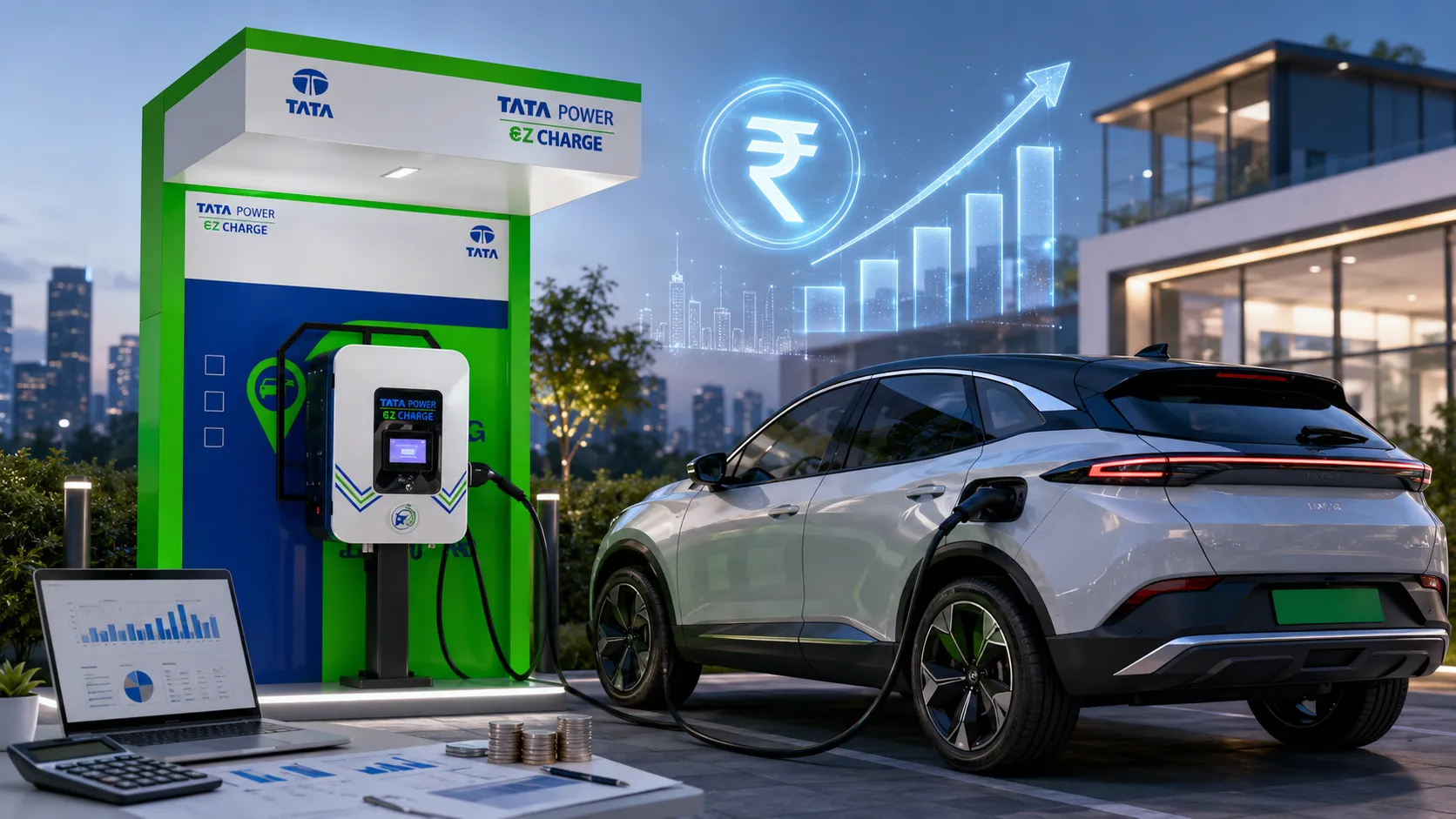
One thing many new operators forget is that revenue is not the same as profit. If you charge a customer $10, you still have to pay for electricity, software fees, payment processing, maintenance, network fees, rent, demand charges, and sometimes parking management.
That is why a charger may look busy but still not make much money.
2. Bringing More Customers to a Business
This is one of the most underrated EV charging business models.
A restaurant, coffee shop, grocery store, hotel, gym, or retail plaza may not need the charger to be a huge profit center by itself. The charger can bring people to the location and keep them there longer.
Think about a coffee shop with two Level 2 chargers. A driver plugs in, comes inside, buys coffee, maybe orders food, works on a laptop for 40 minutes, and comes back again next week because the place is convenient.
In that case, the charger is not just selling electricity. It is bringing foot traffic.
Hotels can also benefit from this model. Many EV drivers filter hotels based on charging availability. A hotel with reliable EV charging may win bookings from guests who do not want the stress of finding a charger at night.
3. Tenant and Employee Value
Apartment buildings, office spaces, and commercial properties can use EV charging as an amenity.
This is not always about instant profit. Sometimes it is about making the property more attractive.
For apartments, EV charging can help retain tenants who already own electric cars or are planning to buy one. For offices, it can be an employee benefit. For commercial properties, it can make the building feel more modern and future-ready.
The business model here may include monthly charging subscriptions, paid parking plus charging, or free charging for premium tenants.
4. Fleet Charging
Fleet charging is a very different game.
This applies to delivery vans, taxis, ride-share vehicles, buses, company cars, or service vehicles. Instead of random public users, the chargers serve a predictable group of vehicles.
The good thing about fleet charging is that usage is easier to forecast. If a company has 20 electric vans, it knows roughly when they return, how long they stay, and how much charging they need.
The challenge is power management. If all vehicles plug in at once, electricity demand can spike. Smart charging software becomes important here because it can schedule charging, balance load, and reduce peak cost.
5. Advertising and Partnerships
Some EV chargers have screens. Some are placed in high-traffic areas. That creates advertising opportunities.
A shopping mall, cinema, or busy parking area can use charger screens for local ads, promotions, or brand partnerships. This will not work everywhere, but in the right location, it can add another revenue stream.
Partnerships can also matter. For example, a restaurant may partner with a charging network, or a property owner may lease space to a charging operator instead of managing everything directly.
Choosing the Right Charger Type
This decision affects almost everything: cost, customer experience, installation, power demand, and revenue.
Level 1 Charging
Level 1 charging is very slow and usually uses a standard household-style outlet. It is not a serious public business model in most cases.
It can work for long-stay parking, workplaces, or overnight situations, but for a commercial charging business, it is usually too slow to attract regular paying customers.
Level 2 Charging
Level 2 is often the sweet spot for many businesses.
It is much faster than Level 1 but usually far cheaper to install than DC fast charging. It works well for:
- Apartments
- Offices
- Hotels
- Restaurants
- Shopping plazas
- Gyms
- Universities
- Long-stay parking lots
The customer needs to stay for a while, so the location must give them something to do.
A Level 2 charger outside a place where people only stop for five minutes may not perform well. But at a location where people naturally spend one to three hours, it can make sense.
DC Fast Charging
DC fast charging is built for speed.
This is what drivers want on highways, travel routes, gas-station-style stops, and busy urban charging hubs. The problem is cost. DC fast chargers are expensive to buy, expensive to install, and more demanding on the electrical infrastructure.
They can earn more per session, but they also carry more financial risk. If the location does not get enough traffic, the investment can take a long time to recover.
My practical view is simple: Level 2 is often better for property owners and destination-based businesses. DC fast charging is better for serious charging operators with strong locations, enough capital, and a clear traffic plan.
The Real Cost Is Not Just the Charger
Another common mistake is budgeting only for the hardware.
The charger itself is just one part of the total cost.
You may also need:
- Electrical panel upgrades
- Trenching and underground wiring
- Concrete work
- Permits
- Utility approval
- Internet connection
- Signage and parking markings
- Bollards for protection
- Lighting and security cameras
- Software subscription
- Payment system
- Maintenance contract
Sometimes the installation costs more than the charger.
For example, installing a charger close to an existing electrical panel may be manageable. Installing the same charger across a large parking lot may require trenching, cabling, and major electrical work. That can change the whole financial picture.
This is why a proper site survey matters. A cheap charger in a bad installation location can become expensive very quickly.
Software Matters More Than People Think
A charger without good software can become a headache.
Good charging software helps with:
- Payments
- Pricing control
- User access
- Charger monitoring
- Error alerts
- Energy reports
- Load management
- RFID cards
- Mobile app access
- Remote troubleshooting
Some popular platforms and networks in the EV charging space include ChargePoint, EV Connect, Blink, Shell Recharge, Wallbox, AmpUp, Monta, and Driivz. Drivers also use tools like PlugShare, Google Maps, Tesla app, Electrify America app, and EVgo app to find charging locations, check reviews, and plan routes.
If your station is not easy to find online, many drivers will never know it exists.
One practical tip: make sure your charger supports open standards like OCPP if possible. This can give you more flexibility if you want to change software providers later. Proprietary systems can be convenient at first, but they may lock you into one platform.
How to Build a Simple EV Charging Business Plan
Here is a practical step-by-step approach.
Step 1: Study the Location
Look at the parking lot like a driver.
Is it easy to enter and exit? Is it safe at night? Is there lighting? Is it near food, restrooms, shops, offices, or apartments? Do people already spend time there?
Also check nearby chargers on PlugShare and Google Maps. If there are already many chargers nearby, read the reviews. Are drivers complaining about broken chargers, high prices, or blocked parking spaces? Those complaints can show you an opportunity.
Step 2: Decide the Customer Type
Do you want to serve:
- Apartment residents?
- Hotel guests?
- Office employees?
- Delivery fleets?
- Highway travelers?
- Mall visitors?
- Restaurant customers?
- Ride-share drivers?
Do not try to serve everyone. The charger type, pricing, and software should match your main customer.
Step 3: Choose Level 2 or DC Fast Charging
For long-stay locations, start by considering Level 2.
For highway or quick-stop locations, explore DC fast charging, but only after checking electrical capacity and expected traffic.
A small business should be careful with DC fast charging unless the site has strong demand. The investment is much larger, and mistakes are harder to recover from.
Step 4: Get a Site Survey
Call an electrician or EV charging installer and ask for a proper site survey.
You need to know:
- Available electrical capacity
- Distance from power source
- Upgrade requirements
- Permit needs
- Installation cost
- Best charger placement
- Safety requirements
- Future expansion options
Do not skip this step. Guessing the installation cost is one of the fastest ways to lose money in this business.
Step 5: Set Pricing Carefully
Your pricing should cover costs but still feel fair to drivers.
Consider:
- Electricity cost
- Network fees
- Maintenance
- Parking value
- Competitor pricing
- Time of day
- Idle time
- Customer type
Idle fees can be useful because they stop people from leaving cars plugged in after charging is done. But make the rules clear. Drivers hate surprise fees.
Step 6: Make the Charger Easy to Use
This sounds basic, but it matters a lot.
Drivers want:
- Clear instructions
- Working payment options
- Visible pricing
- Strong lighting
- Easy parking
- Reliable charging
- Fast support if something goes wrong
A charger that needs three apps, two account setups, and a confusing QR code will annoy people.
Simple wins.
Step 7: Track the Numbers
After launch, monitor real usage.
Track:
- Sessions per day
- Average charging time
- Revenue per charger
- Electricity cost
- Maintenance issues
- Failed sessions
- Peak usage times
- Customer reviews
- Idle time
The first few months are about learning. You may need to adjust pricing, add signage, change parking rules, or improve visibility on charging apps.
Real-World Example: A Small Retail Plaza
Imagine a small retail plaza with a café, pharmacy, and grocery store.
People usually stay 30 minutes to one hour. The parking lot has decent traffic, but it is not a highway stop.
In this case, two or four Level 2 chargers may make more sense than one expensive DC fast charger. The plaza owner can charge a fair rate for electricity while also giving customers a reason to stay longer.
The café may benefit from more customers. The grocery store may attract EV drivers who choose that plaza instead of another one. The property owner can advertise EV charging as an amenity.
This is a good example of indirect value. The charger may not make huge profit alone, but it supports the whole property.
Real-World Example: A Highway Fuel Station
Now think about a fuel station on a busy highway.
People do not want to wait three hours. They want to charge quickly, use the restroom, buy snacks, and leave.
Here, DC fast charging makes more sense. But the owner must think seriously about power capacity, demand charges, uptime, safety, and food or retail sales.
The best highway charging stops do not feel like empty parking lots. They feel like comfortable rest stops. Clean bathrooms, food, shade, lighting, and security can all affect whether drivers come back.
Common Mistakes to Avoid
Mistake 1: Installing Chargers Where People Do Not Stay
A slow charger in a quick-stop location is frustrating. Match charger speed with customer behavior.
Mistake 2: Ignoring Maintenance
Broken chargers damage trust quickly. EV drivers often check reviews before visiting. If your station has repeated complaints, people may avoid it.
Mistake 3: Bad Parking Control
If gas cars or non-charging EVs block the charger, revenue drops. Clear signs, painted spots, and parking rules help.
Mistake 4: Complicated Payment Setup
Some drivers are willing to create an app account. Others are not. Card payment, QR payment, or roaming options can improve user experience.
Mistake 5: Forgetting About Future Expansion
If you install two chargers today, think about where four or six could go later. Planning ahead can save money when demand grows.
Mistake 6: Assuming It Is Passive Income
EV charging can be semi-passive, but it is not fully passive. Chargers need monitoring, updates, cleaning, support, and occasional repairs.
Is the EV Charging Business Model Profitable?
It can be profitable, but not automatically.
The best results usually come when the charger solves a real problem for drivers and supports another business goal.
A standalone public charger needs strong utilization to make sense. A charger at a hotel, apartment, office, mall, or restaurant can create value even if direct charging profit is modest.
The winning formula is usually:
Good location + reliable charger + fair pricing + easy payment + strong visibility + proper maintenance.
Miss one or two of those, and the business becomes harder.
Final Thoughts
The electric vehicle charging business model is not just about selling electricity. It is about understanding driver behavior.
Where are people going? How long are they staying? Are they charging because they need to, or because it is convenient? What will they do while waiting? Will they trust your station enough to come back?
That is where the real business thinking starts.
If you are new to this, I would not rush into buying the most expensive charger first. Start with the location. Study the users. Check the power capacity. Compare nearby stations. Talk to an installer. Then choose the charger and software that fit the actual use case.
EV charging has real potential, but the money is not made by simply placing a charger in a parking lot. The money is made by placing the right charger in the right place, with the right pricing, and keeping it working when drivers need it.

I’m Waqas, an electric vehicle enthusiast and tech writer with over 6 years of experience covering the EV industry. I write in-depth articles, comparisons, and reviews to help readers understand the fast-evolving world of electric mobility. From battery technology to EV launches and charging trends, I aim to make complex EV topics simple, engaging, and informative for everyday drivers and curious readers alike.